


You don't need an excuse to have beautiful nails. Step outside without worrying about the appearance of your feet.
You don't need an excuse to have beautiful nails. Step outside without worrying about the appearance of your feet.
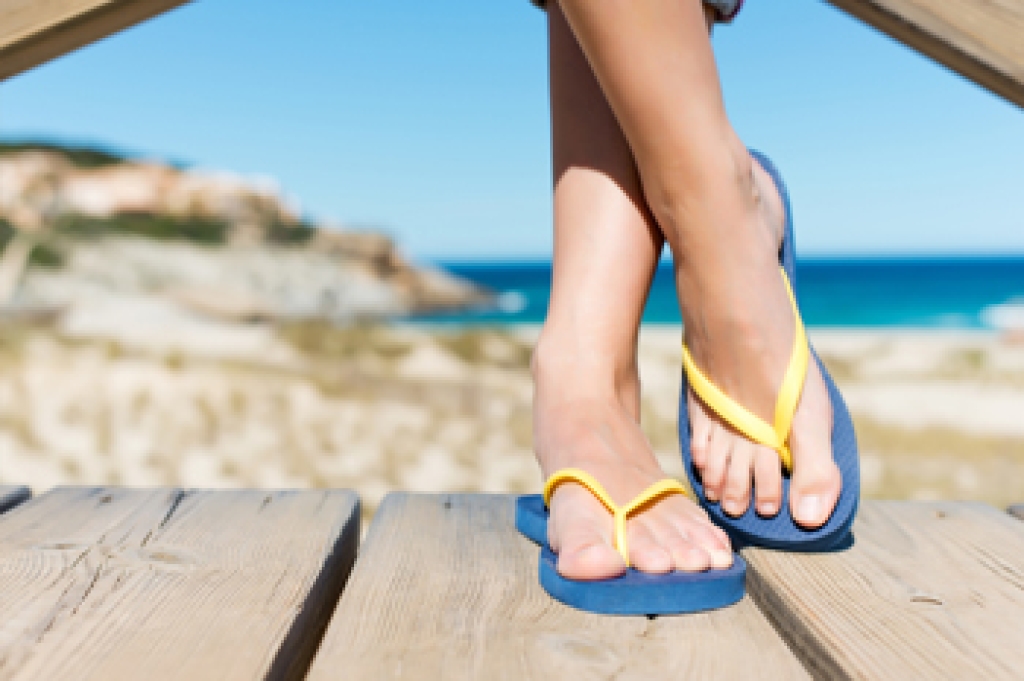
Flip-flops are a popular choice for warm weather because they are lightweight and easy to wear. Although they are convenient, they are not designed to provide the same support as well-made walking shoes. Most flip-flops have thin soles and very little arch support. They also require the toes to grip the sandal while walking, which can place extra strain on the muscles and tendons of the foot. Wearing flip-flops for long periods of time can increase the risk of heel pain, arch pain, and tendon irritation. They also provide very little protection from sharp objects or uneven ground. Patients who already have bunions, flat feet, or plantar fasciitis can notice that their symptoms become worse when wearing flip-flops too frequently.
A podiatrist can evaluate foot pain that develops after wearing flip-flops and determine whether another condition is responsible for the discomfort. The examination includes checking foot alignment, flexibility, and muscle strength. The podiatrist also observes how the patient stands and walks to identify movement problems that increase stress on the feet. Shoes that lack proper support can change the way the foot moves and place extra pressure on the heel, arch, and toes. A complete evaluation helps identify the source of the pain and allows the podiatrist to recommend the most appropriate treatment. Early diagnosis can help prevent minor problems from becoming more serious.
Treatment depends on the patient's symptoms and the condition affecting the foot. A podiatrist can recommend shoes that provide better support for daily activities while reducing unnecessary strain on the feet. Care also includes custom orthotics that improve foot alignment and distribute pressure more evenly. Patients with ongoing pain can benefit from stretching and strengthening exercises that improve stability and flexibility. In rare cases, severe damage to tendons or joints can require surgery to restore normal foot function. If you have foot pain related to wearing flip-flops, it is suggested that you schedule an appointment with a podiatrist for a diagnosis and appropriate treatment.
Flip-flops can cause a lot of problems for your feet. If you have any concerns about your feet or ankles, contact one of our podiatrists from Grand Blanc Family Footcare. Our doctors will assist you with all of your foot and ankle needs.
Flip-Flops and Feet
Flip-flops have managed to become a summer essential for a lot of people. While the shoes may be stylish and easy to slip on and off, they can be dangerous to those who wear them too often. These shoes might protect you from fungal infections such as athlete’s foot, but they can also give you foot pain and sprained ankles if you trip while wearing them.
When Are They Okay to Wear?
Flip-flops should only be worn for very short periods of time. They can help protect your feet in places that are crawling with fungi, such as gym locker rooms. Athlete’s foot and plantar warts are two common fungi that flip-flops may help protect your feet against.
Why Are They Bad for My Feet?
These shoes do not offer any arch support, so they are not ideal for everyday use. They also do not provide shock absorption or heel cushioning which can be problematic for your feet. Additionally, you may suffer from glass cuts, puncture wounds, and stubbed toes since they offer little protection for your feet.
More Reasons Why They Are Bad for Your Feet
If you have any questions, please feel free to contact our office located in Grand Blanc, MI . We offer the newest diagnostic and treatment technologies for all your foot care needs.
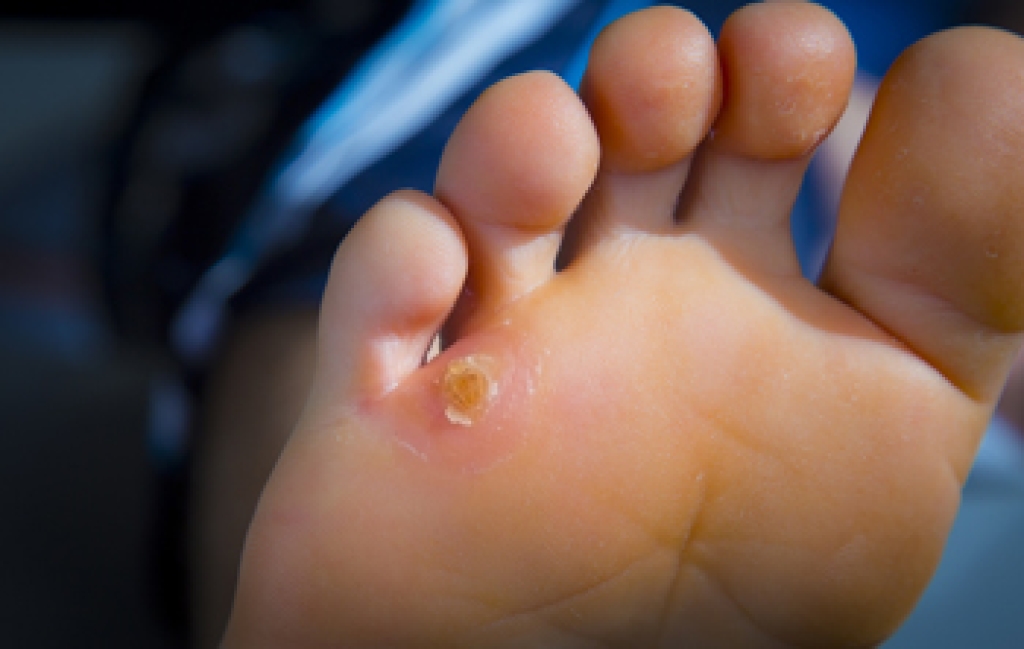
Corns are small, thickened areas of skin that develop when repeated pressure or friction affects the same spot on the foot. Unlike a callus, which usually covers a larger area, a corn is smaller and has a hard center that can press into deeper tissue. This pressure can make standing, wearing shoes, and walking uncomfortable. Corns frequently develop on the tops or sides of the toes, but they can also form on the bottom of the foot. Pain can become more noticeable when shoes press against the affected area. A podiatrist can determine whether the thickened skin is truly a corn or another condition that requires different treatment.
Repeated rubbing and pressure are the main causes of corns. Wearing shoes that do not fit properly can increase friction between the foot and the shoe. Shoes that lack proper support can place extra pressure on certain parts of the foot while walking. Foot problems like bunions or hammertoes can also change the way weight is distributed across the foot, increasing the chance that corns will develop. A podiatrist performs a careful examination to identify the source of the pressure causing the corn. X-rays are sometimes recommended when a structural foot problem is suspected. Identifying the underlying cause helps guide treatment and reduces repeated irritation.
Treatment focuses on relieving pressure and addressing the condition that caused the corn to develop. A podiatrist can safely remove the thickened skin without damaging the healthy tissue beneath it. Custom orthotics can improve foot alignment and reduce pressure on painful areas. Padding can also help protect the skin from continued friction. When a bunion, hammertoe, or another structural problem causes repeated corns, surgery can correct the deformity and reduce future pressure. Early treatment can improve comfort and make daily activities easier while helping protect the skin from further damage. If you have symptoms of corns, it is suggested that you make an appointment with a podiatrist for diagnosis and treatment.
If you have any concerns regarding your feet and ankles, contact one of our podiatrists of Grand Blanc Family Footcare. Our doctors will treat your foot and ankle needs.
Corns: What Are They? and How Do You Get Rid of Them?
Corns can be described as areas of the skin that have thickened to the point of becoming painful or irritating. They are often layers and layers of the skin that have become dry and rough, and are normally smaller than calluses.
Ways to Prevent Corns
There are many ways to get rid of painful corns such as wearing:
Treating Corns
Treatment of corns involves removing the dead skin that has built up in the specific area of the foot. Consult with Our doctors to determine the best treatment option for your case of corns.
If you have any questions, please feel free to contact our office located in Grand Blanc, MI . We offer the newest diagnostic and treatment technologies for all your foot care needs.
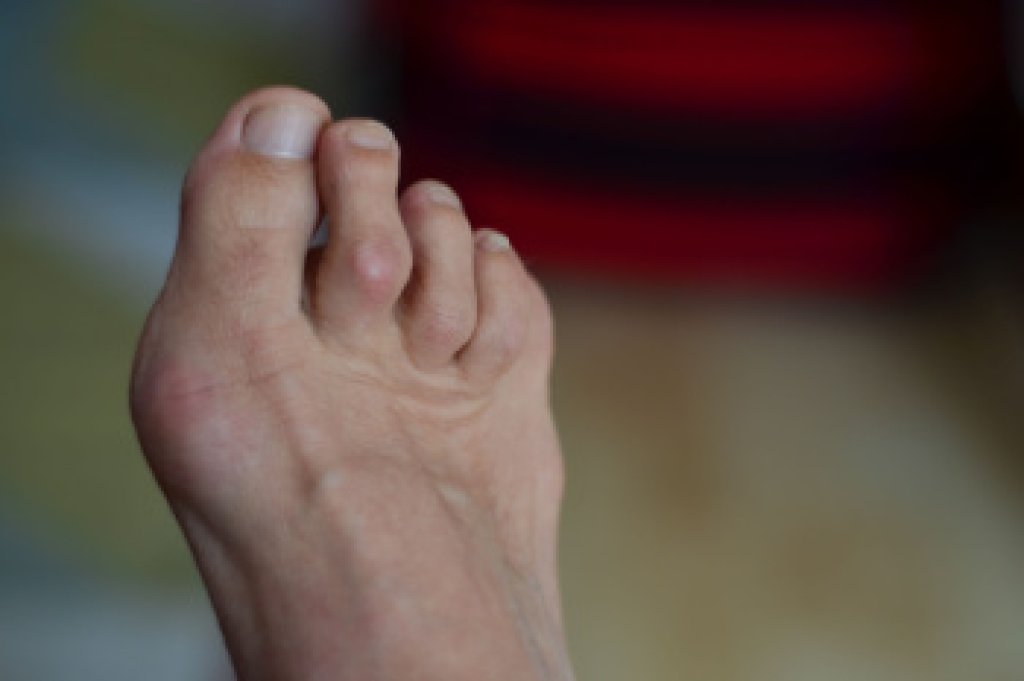
A hammertoe develops when a smaller toe bends at one or two of its joints instead of remaining straight. The bent toe can rub against shoes, creating painful corns, calluses, or irritated skin. As the deformity becomes more severe, the toe becomes harder to straighten and daily activities become less comfortable. When other treatments no longer provide enough relief, hammertoe surgery can correct the toe's position and reduce pain. Surgery also removes the bony bump that forms from the bent joint. Most procedures are performed on an outpatient basis, allowing patients to return home the same day. A podiatrist determines which type of surgery is best. This is based on the shape of the toe, the condition of the joint, and overall foot health.
Hammertoe surgery usually takes about 30 minutes and is commonly performed with a local anesthetic, which numbs the foot while the patient remains awake. One procedure removes part of the joint while allowing some movement to remain. Another procedure removes the entire joint and straightens the toe. The goal is to create a straighter toe, improve comfort, and make wearing less painful. Like any operation, hammertoe surgery includes possible risks. These include infection, delayed healing, or the toe becoming stiff. A podiatrist explains these risks before surgery and answers questions so patients understand what to expect.
Regular follow-up visits with a podiatrist help ensure proper healing and monitor progress. A special surgical shoe protects the foot after the procedure, and the podiatrist checks the incision, removes any temporary wire, and determines when normal activities can safely resume. Most patients notice improved toe alignment and greater comfort once healing is complete. Correcting the deformity also reduces pressure that previously caused painful corns and calluses. If you have a painful hammertoe, it is suggested that you schedule an appointment with a podiatrist who can discuss the benefits of this type of foot surgery with you.
Hammertoes can be a painful condition to live with. For more information, contact one of our podiatrists of Grand Blanc Family Footcare. Our doctors will answer any of your foot- and ankle-related questions.
Hammertoe
Hammertoe is a foot deformity that occurs due to an imbalance in the muscles, tendons, or ligaments that normally hold the toe straight. It can be caused by the type of shoes you wear, your foot structure, trauma, and certain disease processes.
Symptoms
Risk Factors
Treatment
If you have hammertoe, you should change into a more comfortable shoe that provides enough room for your toes. Exercises such as picking up marbles may strengthen and stretch your toe muscles. Nevertheless, it is important to seek assistance from a podiatrist in order to determine the severity of your hammertoe and see which treatment option will work best for you.
If you have any questions, please feel free to contact our office located in Grand Blanc, MI . We offer the newest diagnostic and treatment technologies for all your foot care needs.
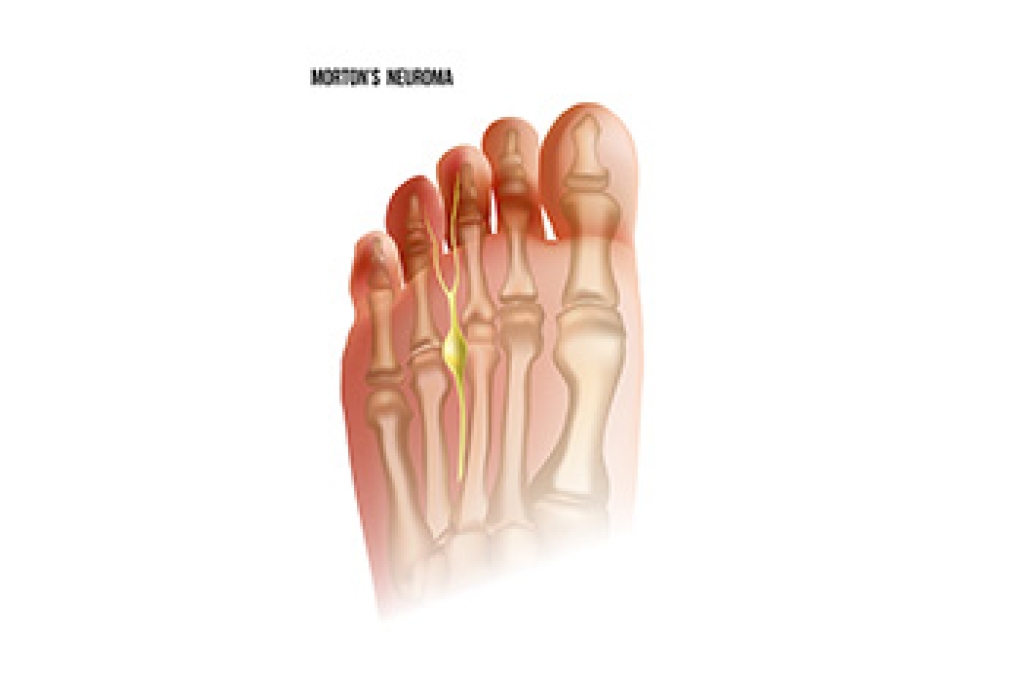
Morton's neuroma affects the nerves of the forefoot, leading to pain and discomfort in the area between the toes. It develops when the tissue surrounding a nerve thickens due to repeated pressure or irritation. This thickened tissue can compress the nerve, causing symptoms that interfere with normal walking and daily activities. The condition most often occurs between the third and fourth toes, where pressure is commonly concentrated.
Symptoms include a sharp or burning pain in the ball of the foot, often accompanied by tingling or numbness in the toes. Some individuals report a sensation of fullness or the feeling of standing on a small object. Pain may increase with activity or when wearing tight or restrictive footwear. In many cases, symptoms improve temporarily when shoes are removed or when the foot is rested.
Risk factors include footwear choices, activity level, and foot structure. Shoes with a narrow toe box or elevated heel height can compress the toes and increase pressure on the nerve. Repetitive activities, such as running or jumping, may also contribute to irritation. Individuals with biomechanical issues, such as flat feet or high arches, may place uneven stress on the forefoot, increasing the likelihood of developing this condition.
The cause of Morton's neuroma is linked to ongoing nerve compression and inflammation. Addressing contributing factors early can help relieve discomfort and prevent worsening symptoms. Wearing supportive footwear, proper cushioning, and professional care can improve foot function and reduce pain. If you have symptoms of Morton's neuroma, it is suggested that you seek evaluation from a podiatrist for proper diagnosis and effective relief and treatment solutions.
Morton’s neuroma is a very uncomfortable condition to live with. If you think you have Morton’s neuroma, contact one of our podiatrists of Grand Blanc Family Footcare. Our doctors will attend to all of your foot care needs and answer any of your related questions.
Morton’s Neuroma
Morton's neuroma is a painful foot condition that commonly affects the areas between the second and third or third and fourth toe, although other areas of the foot are also susceptible. Morton’s neuroma is caused by an inflamed nerve in the foot that is being squeezed and aggravated by surrounding bones.
What Increases the Chances of Having Morton’s Neuroma?
Morton’s neuroma is a very treatable condition. Orthotics and shoe inserts can often be used to alleviate the pain on the forefront of the feet. In more severe cases, corticosteroids can also be prescribed. In order to figure out the best treatment for your neuroma, it’s recommended to seek the care of a podiatrist who can diagnose your condition and provide different treatment options.
If you have any questions, please feel free to contact our office located in Grand Blanc, MI . We offer the newest diagnostic and treatment technologies for all your foot care needs.


