
Dr. Karr is one of the top 2 podiatry surgeons to complete 100 lapiplasty procedures.

Steven C. Karr, DPM

Sarah Hewitt, DPM

Serving Mid Michigan

Featured Articles

Diagnosis and Treatment of Plantar Fibroma

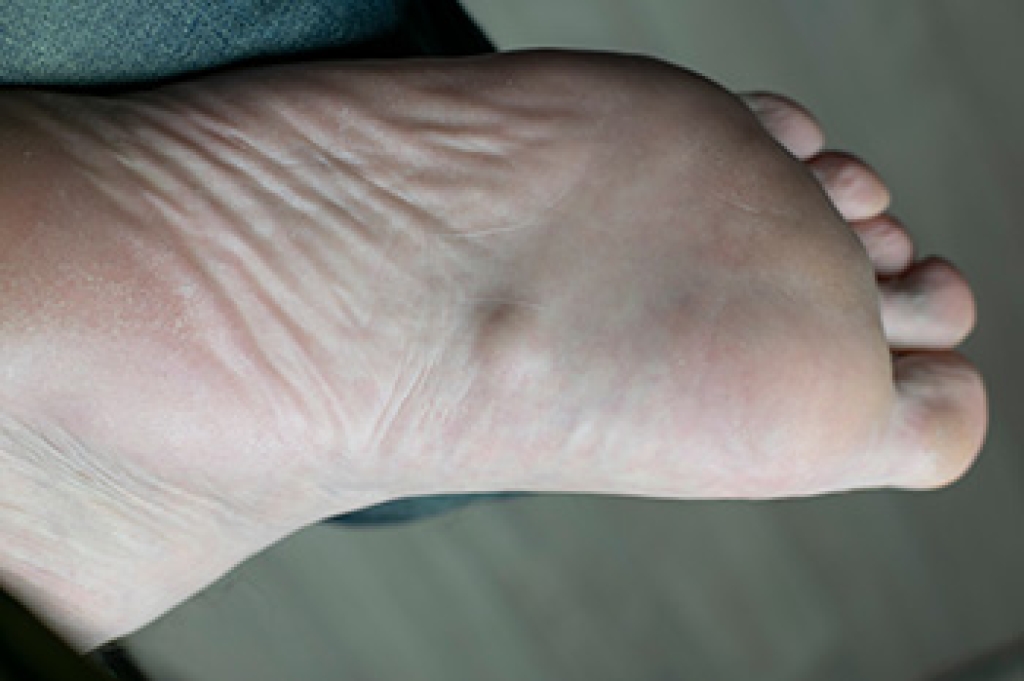
A firm lump beneath the arch of the foot can sometimes make each step uncomfortable. One possible cause is a plantar fibroma, a noncancerous growth within the plantar fascia. This strong band of tissue runs along the bottom of the foot, connecting the heel to the toes and supporting the arch. The growth consists of thickened fibrous tissue and develops in one or both feet. Its exact cause remains unclear. Although a plantar fibroma is not cancer, a new lump requires a podiatric evaluation because other foot problems produce similar bumps. A podiatrist identifies the cause and determines whether treatment is appropriate.

A plantar fibroma usually feels like a firm knot under the skin. Some growths stay small, while others enlarge or appear alongside additional lumps. Not every plantar fibroma causes pain. Discomfort typically develops when pressure pushes against the growth, whether from shoes or the ground beneath the foot. Patients sometimes notice tenderness while walking or standing barefoot. As pressure increases, ordinary activities become harder to manage. The location of the lump also affects how much discomfort it causes. Changes in the size of a growth or increasing pain warrant another examination, even after a previous diagnosis.

During an appointment, a podiatrist asks when the lump appeared and how it affects daily activities. The examination includes checking its size, feeling its firmness, and assessing tenderness. The podiatrist also evaluates the surrounding tissue and foot structure. Imaging helps clarify uncertain findings. An ultrasound or MRI  scan provides a closer view of the growth and its relationship to the plantar fascia. In some cases, a biopsy confirms the diagnosis. This procedure involves removing a small tissue sample for examination. These steps help distinguish a plantar fibroma from other causes of a lump and guide an appropriate treatment plan.

Treatment focuses on reducing pressure and improving comfort. A podiatrist prescribes custom orthotics, or shoe inserts, designed to redirect weight away from the lump. Professional padding and footwear recommendations also help address pressure against the arch. These approaches relieve symptoms without necessarily removing the growth. For persistent pain despite nonsurgical care, a podiatrist discusses surgery and its potential risks. The growth sometimes returns after removal, and surgery carries risks of scarring or changes in arch support. Follow-up appointments help assess symptoms and monitor recurrence. If you have developed a plantar fibroma, it is suggested that you schedule an appointment with a podiatrist for effective relief and management solutions.

Foot Pain

Foot pain can be extremely painful and debilitating. If you have a foot pain, consult with one of our podiatrists from Grand Blanc Family Footcare. Our doctors will assess your condition and provide you with quality foot and ankle treatment.

Causes

Foot pain is a very broad condition that could be caused by one or more ailments. The most common include:

  • Bunions
  • Hammertoes
  • Plantar Fasciitis
  • Bone Spurs
  • Corns
  • Tarsal Tunnel Syndrome
  • Ingrown Toenails
  • Arthritis (such as Gout, Rheumatoid, and Osteoarthritis)
  • Flat Feet
  • Injury (from stress fractures, broken toe, foot, ankle, Achilles tendon ruptures, and sprains)
  • And more

Diagnosis

To figure out the cause of foot pain, podiatrists utilize several different methods. This can range from simple visual inspections and sensation tests to X-rays and MRI scans. Prior medical history, family medical history, and any recent physical traumatic events will all be taken into consideration for a proper diagnosis.

Treatment

Treatment depends upon the cause of the foot pain. Whether it is resting, staying off the foot, or having surgery; podiatrists have a number of treatment options available for foot pain.

If you have any questions, please feel free to contact our office located in Grand Blanc, MI . We offer the newest diagnostic and treatment technologies for all your foot care needs.
Read more about Foot Pain

Foot Blisters and Podiatric Care

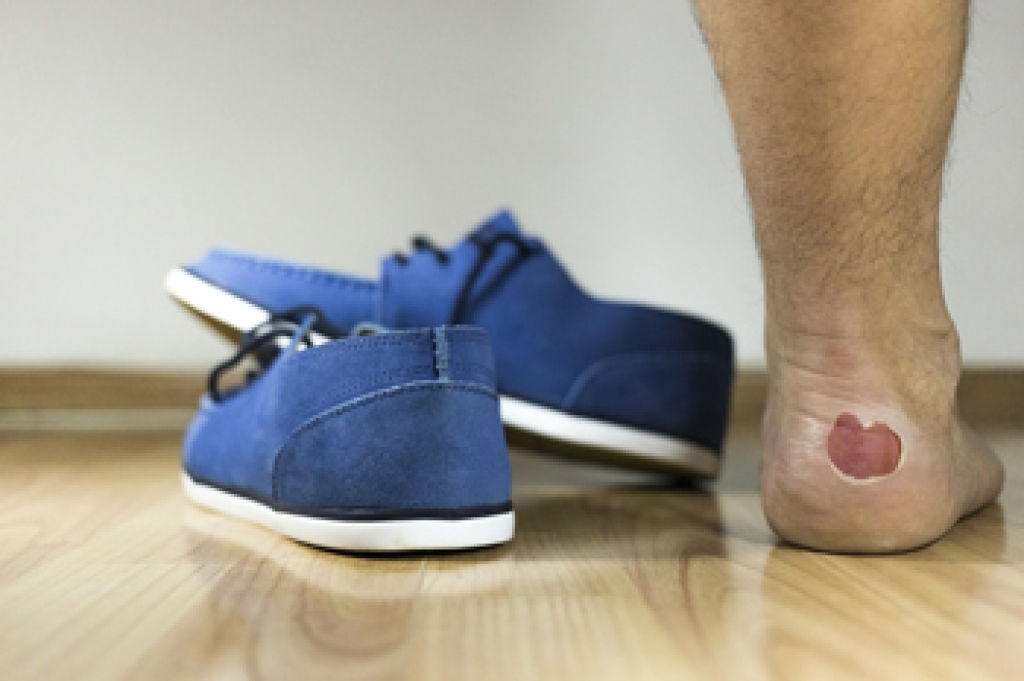
Blisters on the feet form when fluid collects beneath the top layer of skin. They can appear on the heels, toes, or soles and make each step uncomfortable. Repeated rubbing is a leading cause, especially when shoes fit poorly or press against one area. Long periods of walking can increase friction. Burns and insect bites can also produce blisters. Most contain clear fluid, although an injury that damages tiny blood vessels can create a blood blister. These raised spots protect injured skin underneath, but their appearance can make patients concerned about what caused them.

A foot blister can feel tender, itchy, or painful. The surrounding skin may look red, and pressure from shoes can increase discomfort. Some blisters develop after a single day of unusual activity. Others appear because the same part of the foot repeatedly rubs against a shoe. Blisters can also result from infections or skin conditions rather than friction. Warning signs include spreading redness, increasing warmth, and pus inside the blister. These changes can signal infection and deserve prompt attention. Patients with diabetes or poor circulation should have foot blisters evaluated because skin injuries can become more serious.

A podiatrist can examine a blister and determine whether friction, injury, or another condition caused it. The examination also helps identify signs of infection. Treatment can include protective dressings that reduce pressure and shield the damaged skin. For a large, painful blister, a podiatrist can decide whether careful drainage is appropriate. An infected blister may require prescription medication. A podiatrist can also assess shoe fit and areas of repeated pressure that contribute to new blisters. Podiatric care can ease discomfort while protecting the skin as it heals. If you have a bothersome or recurring foot blister, it is suggested that you schedule an appointment with a podiatrist for effective relief and prevention tips.

Blisters are prone to making everyday activities extremely uncomfortable. If your feet are hurting, contact one of our podiatrists of Grand Blanc Family Footcare. Our doctors can provide the care you need to keep you pain-free and on your feet.

Foot Blisters

Foot blisters develop as a result of constantly wearing tight or ill-fitting footwear. This happens due to the constant rubbing from the shoe, which can often lead to pain.

What Are Foot Blisters?

A foot blister is a small fluid-filled pocket that forms on the upper-most layer of the skin. Blisters are filled with clear fluid and can lead to blood drainage or pus if the area becomes infected.

How Do Blisters Form?

Blisters on the feet are often the result of constant friction of skin and material, usually by shoe rubbing. Walking in sandals, boots, or shoes that don’t fit properly for long periods of time can result in a blister. Having consistent foot moisture and humidity can easily lead to blister formation.

Prevention & Treatment

It is important to properly care for the affected area in order to prevent infection and ease the pain. Do not lance the blister and use a Band-Aid to provide pain relief. Also, be sure to keep your feet dry and wear proper fitting shoes. If you see blood or pus in a blister, seek assistance from a podiatrist.

If you have any questions, please feel free to contact our office located in Grand Blanc, MI . We offer the newest diagnostic and treatment technologies for all your foot care needs.
Read more about Blisters on the Feet

Are You Suffering From Ingrown Toenails?

If left untreated, an ingrown toenail can lead to more serious concerns, such as an infection. Knowing proper nail care can help in the prevention of an ingrown toenail. Give us a call, and get treated!

Cuboid Syndrome and Midfoot Pain

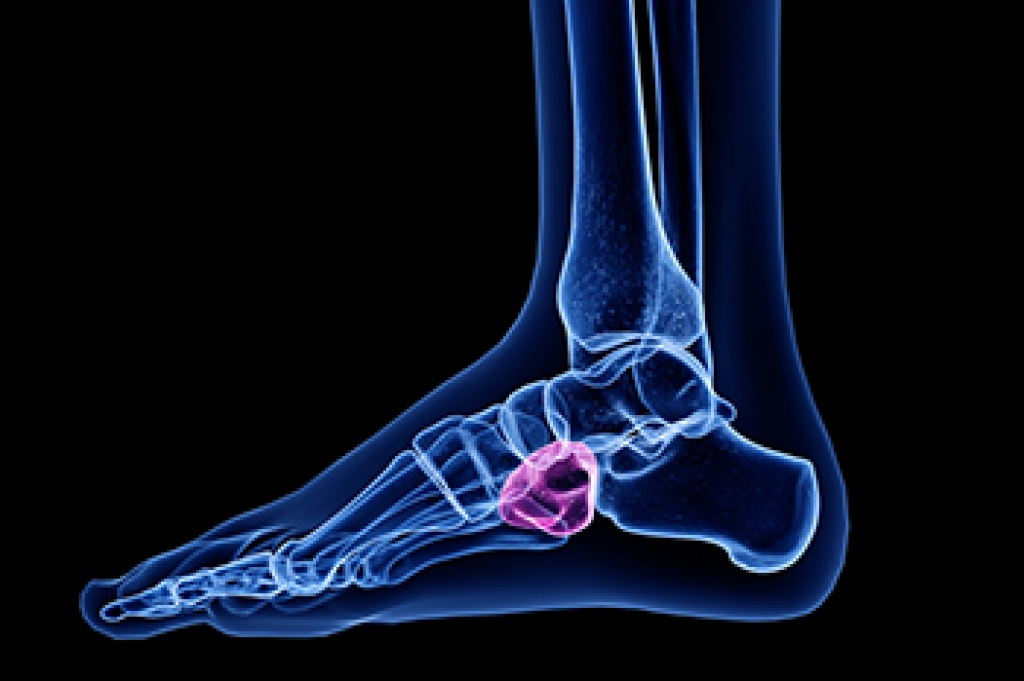
Cuboid syndrome is a source of pain along the outer middle portion of the foot. It is thought to involve a small disruption in the normal position or movement of the cuboid, a bone located on the outside of the midfoot. This change can irritate nearby ligaments, the joint capsule, and a tendon that passes beneath the cuboid. Cuboid syndrome may develop after an ankle sprain or from repeated stress on the foot. It has been reported in both athletic and non-athletic populations, although athletes may be affected more often. Because the symptoms can resemble other foot injuries, cuboid syndrome is sometimes overlooked or misdiagnosed.


Pain is usually felt directly over the cuboid and may spread toward the arch or along the outside of the foot. Some people experience pain while bearing weight, while others may notice discomfort even when the foot is resting. Swelling, redness, and tenderness may also occur. Pain can cause weakness during the push-off portion of walking, making normal movement uncomfortable. Diagnosing cuboid syndrome can be challenging because there is no single test that confirms it. X-rays, CT scans, and MRI scans generally do not show the small joint changes associated with this condition. However, imaging may be useful for ruling out fractures or other foot problems.


A podiatrist can evaluate lateral foot pain by reviewing how the symptoms began and carefully examining the painful area. The evaluation may include checking foot and ankle movement and determining whether certain motions reproduce the symptoms. Treatment may involve professional manipulation of the cuboid to restore normal joint function. Therapeutic exercise, padding, or supportive taping may also be incorporated into a treatment plan. Because several other injuries can cause similar outer-foot pain, an accurate diagnosis is important before treatment begins. If persistent pain or tenderness develops along the outside of your midfoot, it is suggested that you consult a podiatrist for an evaluation and appropriate treatment options.

Cuboid syndrome, also known as cuboid subluxation, occurs when the joints and ligaments near the cuboid bone in the foot become torn. If you have cuboid syndrome, consult with one of our podiatrists from Grand Blanc Family Footcare. Our doctors will assess your condition and provide you with quality foot and ankle treatment.

Cuboid syndrome is a common cause of lateral foot pain, which is pain on the outside of the foot. The condition may happen suddenly due to an ankle sprain, or it may develop slowly overtime from repetitive tension through the bone and surrounding structures.

Causes

The most common causes of cuboid syndrome include:

  • Injury – The most common cause of this ailment is an ankle sprain.
  • Repetitive Strain – Tension placed through the peroneus longus muscle from repetitive activities such as jumping and running may cause excessive traction on the bone causing it to sublux.
  • Altered Foot Biomechanics – Most people suffering from cuboid subluxation have flat feet.

Symptoms

A common symptom of cuboid syndrome is pain along the outside of the foot which can be felt in the ankle and toes. This pain may create walking difficulties and may cause those with the condition to walk with a limp.

Diagnosis

Diagnosis of cuboid syndrome is often difficult, and it is often misdiagnosed. X-rays, MRIs and CT scans often fail to properly show the cuboid subluxation. Although there isn’t a specific test used to diagnose cuboid syndrome, your podiatrist will usually check if pain is felt while pressing firmly on the cuboid bone of your foot.

Treatment

Just as the range of causes varies widely, so do treatments. Some more common treatments are ice therapy, rest, exercise, taping, and orthotics.

If you have any questions, please feel free to contact our office located in Grand Blanc, MI . We offer the newest diagnostic and treatment technologies for all your foot care needs.
Read more about All About Cuboid Syndrome

How Podiatrists Treat Achilles Tendonitis

Achilles tendonitis develops when the band connecting the calf muscles to the heel becomes irritated. This tendon helps lift the heel when walking, running, or jumping. Pain can affect the middle of the tendon or the area where it attaches to the heel bone. Symptoms include aching or burning behind the ankle, morning stiffness, and tenderness. Mild swelling can also appear after activity. The discomfort usually begins gradually and can make climbing stairs, running, or pushing off the foot difficult.

Repeated strain is a leading cause of Achilles tendonitis. Runners can develop it after increasing mileage too quickly, adding hills, or changing their routine. Tight calf muscles and limited ankle movement place added stress on the tendon. Risk also rises with age because tendons become less flexible. Flat feet, poor running form, and shoes that lack proper support can contribute to the problem. A bone spur near the heel can rub against the tendon and irritate its attachment. Continuing activity despite pain can worsen the damage and prolong recovery.

A podiatrist can examine the foot and ankle, review how symptoms began, and check the tendon for swelling or tenderness. The examination can reveal problems with foot structure or movement that place extra strain on the area. Imaging tests can help rule out a tear or identify a bone spur. Treatment includes activity changes, heel lifts, or custom orthotics that improve foot alignment. A podiatrist can recommend supportive shoes and prescribe a brace or walking boot when more protection is required. Treatment is based on the location and severity of the irritation and the patient’s activity level. Most patients improve without surgery, but severe tendon damage can require it. Early care can reduce strain and support a safer return to normal activity. If you have symptoms of Achilles tendonitis, it is suggested that you schedule an appointment with a podiatrist for a diagnosis and appropriate treatment.

Achilles tendon injuries need immediate attention to avoid future complications. If you have any concerns, contact one of our podiatrists of Grand Blanc Family Footcare. Our doctors can provide the care you need to keep you pain-free and on your feet.

What Is the Achilles Tendon?

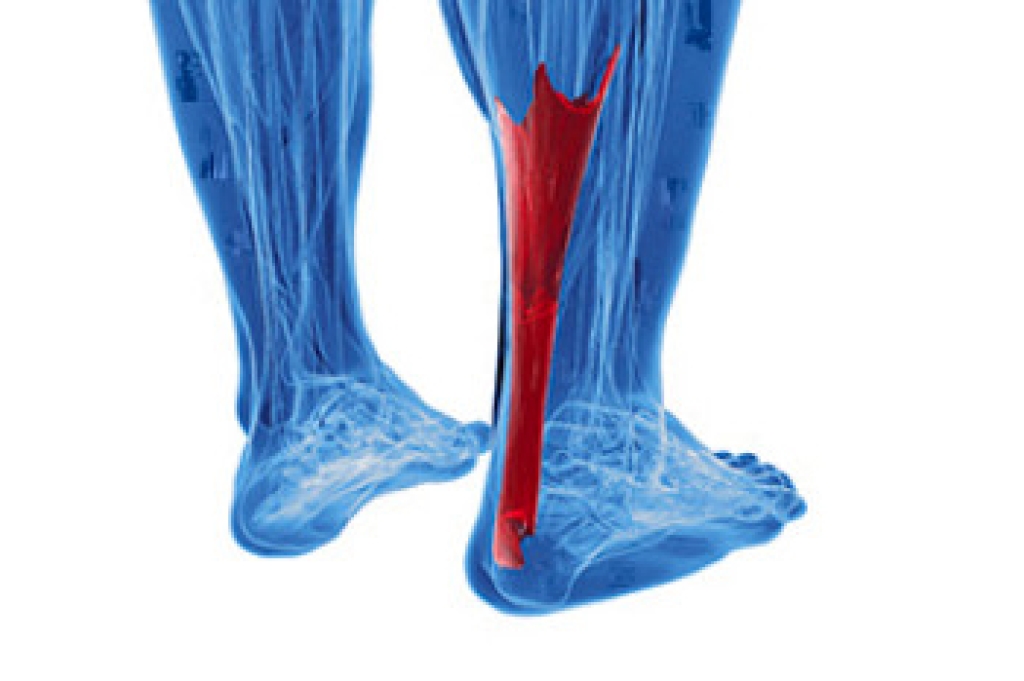
The Achilles tendon is a tendon that connects the lower leg muscles and calf to the heel of the foot. It is the strongest tendon in the human body and is essential for making movement possible. Because this tendon is such an integral part of the body, any injuries to it can create immense difficulties and should immediately be presented to a doctor.

What Are the Symptoms of an Achilles Tendon Injury?

There are various types of injuries that can affect the Achilles tendon. The two most common injuries are Achilles tendinitis and ruptures of the tendon.

Achilles Tendinitis Symptoms

  • Inflammation
  • Dull to severe pain
  • Increased blood flow to the tendon
  • Thickening of the tendon

Rupture Symptoms

  • Extreme pain and swelling in the foot
  • Total immobility

Treatment and Prevention

Achilles tendon injuries are diagnosed by a thorough physical evaluation, which can include an MRI. Treatment involves rest, physical therapy, and in some cases, surgery. However, various preventative measures can be taken to avoid these injuries, such as:

  • Thorough stretching of the tendon before and after exercise
  • Strengthening exercises like calf raises, squats, leg curls, leg extensions, leg raises, lunges, and leg presses

If you have any questions please feel free to contact our office located in Grand Blanc, MI . We offer the newest diagnostic tools and technology to treat your foot and ankle needs.

Read more about The Causes, Types, and Treatments of Achilles Tendon Injuries
Connect with us