
 Diabetic patients have been known to deal with various foot conditions. One common foot issue that may develop due to diabetes is poor circulation. When the feet do not receive a proper amount of blood flow, it’s likely neuropathy may develop. Neuropathy impacts the feet by causing them to lose feeling. When a patient loses feeling in their feet, it can become very dangerous, as certain deformities or infections may go unnoticed. It can be beneficial for those dealing with poor circulation of the feet to perform daily checks, making sure to examine the feet thoroughly for any scrapes or cuts to help avoid developing a serious foot condition. For professional advice on treating poor circulation, it’s suggested that you speak with a podiatrist.
While poor circulation itself isn’t a condition; it is a symptom of another underlying health condition you may have. If you have any concerns with poor circulation in your feet contact one of our podiatrists of Grand Blanc Family Footcare. Our doctors will treat your foot and ankle needs.
Poor Circulation in the Feet
Peripheral artery disease (PAD) can potentially lead to poor circulation in the lower extremities. PAD is a condition that causes the blood vessels and arteries to narrow. In a linked condition called atherosclerosis, the arteries stiffen up due to a buildup of plaque in the arteries and blood vessels. These two conditions can cause a decrease in the amount of blood that flows to your extremities, therefore resulting in pain.
Symptoms
Some of the most common symptoms of poor circulation are:
Treatment for poor circulation often depends on the underlying condition that causes it. Methods for treatment may include insulin for diabetes, special exercise programs, surgery for varicose veins, or compression socks for swollen legs.
As always, see a podiatrist as he or she will assist in finding a regimen that suits you. A podiatrist can also prescribe you any needed medication.
If you have any questions, please feel free to contact our office located in Grand Blanc, MI . We offer the newest diagnostic and treatment technologies for all your foot care needs.

Custom orthotics, or shoe inserts, should be periodically replaced. Orthotics must fit properly to give you the best results. Protect your feet and ankles!
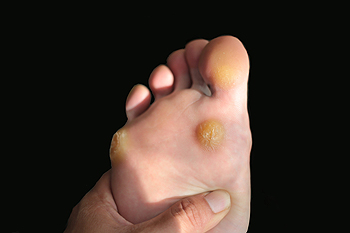 If you notice you have formed a thickened layer of skin either on the bottom of your foot or on your toes, you may have developed a corn. Corns are similar to calluses, but are sore to the touch and can make simple activities, like putting on shoes, very painful. They may develop due to excess friction, typically caused by ill-fitting footwear. If you believe a corn has formed, it’s very important that you safely remove it. You should not use razor blades or knives in an effort to cut the corn off. Instead, soak your feet in a foot bath with warm water to soften the skin. Once soaked, use a pumice stone to file it down and apply lotion. For professional help and to remove your corn safely and properly, it’s suggested to seek the counsel of your local podiatrist.
If you have any concerns regarding your feet and ankles, contact one of our podiatrists of Grand Blanc Family Footcare. Our doctors will treat your foot and ankle needs.
Corns: What Are They? and How Do You Get Rid of Them?
Corns can be described as areas of the skin that have thickened to the point of becoming painful or irritating. They are often layers and layers of the skin that have become dry and rough, and are normally smaller than calluses.
Ways to Prevent Corns
There are many ways to get rid of painful corns such as wearing:
Treating Corns
Treatment of corns involves removing the dead skin that has built up in the specific area of the foot. Consult with Our doctors to determine the best treatment option for your case of corns.
If you have any questions please feel free to contact our office located in Grand Blanc, MI . We offer the newest diagnostic and treatment technologies for all your foot and ankle needs.
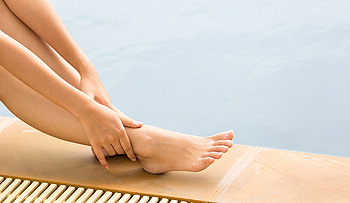 Taking care of your feet is an important routine for all ages and should be done on a regular basis. Foot pain can develop due to a variety of reasons, including ill-fitting footwear, obesity, pregnancy, or because of an existing foot condition such as flat feet. To help combat foot discomfort, consider routinely pampering your feet. This can help soothe any pain you may be experiencing. A foot bath with warm water and epsom salts is a relaxing way to help soothe aching or sore muscles. If you find yourself dealing with swollen feet, make sure the water is cool before soaking. Practicing feet stretches, as well as exercising your ankles, toes, and calves, can help overstressed muscles in your feet. Trimming your toenails on a regular basis and applying moisturizer can help avoid the development of an ingrown toenail, as well as cracked heels. For more advice on how to best take care of your feet, it’s suggested that you consult with a podiatrist.
Everyday foot care is very important to prevent infection and other foot ailments. If you need your feet checked, contact one of our podiatrists from Grand Blanc Family Footcare. Our doctors can provide the care you need to keep you pain-free and on your feet.
Everyday Foot Care
Often, people take care of their bodies, face and hair more so than they do for their feet. But the feet are a very important aspect of our bodies, and one that we should pay more attention to. Without our feet, we would not be able to perform most daily tasks.
It is best to check your feet regularly to make sure there are no new bruises or cuts that you may not have noticed before. For dry feet, moisturizer can easily be a remedy and can be applied as often as necessary to the affected areas. Wearing shoes that fit well can also help you maintain good foot health, as well as making it easier to walk and do daily activities without the stress or pain of ill-fitting shoes, high heels, or even flip flops. Wearing clean socks with closed shoes is important to ensure that sweat and bacteria do not accumulate within the shoe. Clean socks help to prevent Athlete’s foot, fungi problems, bad odors, and can absorb sweat.
If you have any questions please feel free to contact our office located in Grand Blanc, MI . We offer the newest diagnostic and treatment technologies for all your foot and ankle needs.
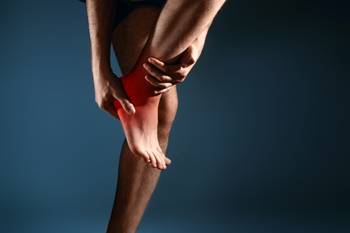 Patients who have chronic pain from specific foot conditions may be interested in learning about a treatment that is known as MLS laser therapy. It is defined as using wavelengths of light to possibly treat joint conditions, and injuries that have occurred to the tendons and ligaments. Additionally, it may help to reduce inflammation. After several treatments of approximately eight minutes each, swelling and pain may be diminished. Research has indicated the benefits of using MLS therapy may include faster healing of sprains, wounds, foot ulcers, and blood circulation may be improved. If you have chronic foot pain and are interested in learning more about MLS therapy, it is suggested that you consult with a podiatrist.
MLS Laser Therapy is a successful alternative for treating any pain you may be experiencing related to certain podiatric conditions. If you are interested in MLS Laser Therapy, consult with one of our podiatrists from Grand Blanc Family Footcare. Our doctors will assess your condition and provide you with quality foot and ankle treatment.
MLS Laser Therapy
Multiwave Locked System (MLS) Laser Therapy is a patented, FDA-cleared technology that helps relieve pain and inflammation from a number of podiatric conditions, including:
MLS Laser Therapy is an ideal alternative to surgery and prescription medication, as it has no negative side effects and encourages accelerated healing. Among its many clinical benefits, MLS Laser Therapy also:
If you have any questions, please feel free to contact our office located in Grand Blanc, MI . We offer the newest diagnostic and treatment technologies for all your foot care needs.


 Theme - Default