
Dr. Karr is one of the top 2 podiatry surgeons to complete 100 lapiplasty procedures.

Steven C. Karr, DPM

Sarah Hewitt, DPM

Serving Mid Michigan

Blog

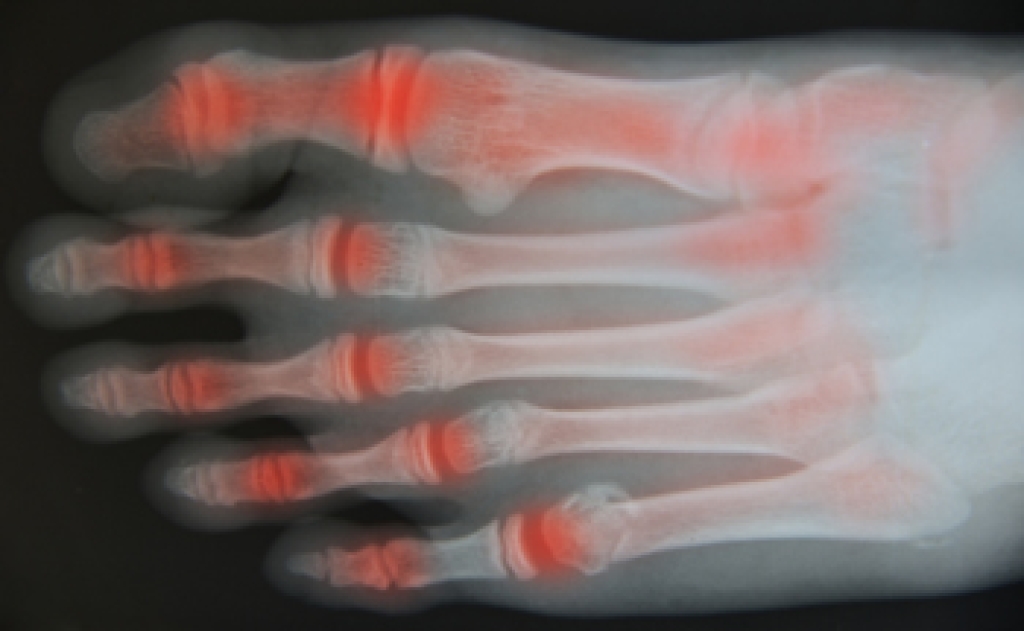
Symptoms of RA in the Feet and Ankles

Rheumatoid arthritis, or RA, is an autoimmune disease that can affect the feet and ankles. It occurs when the immune system mistakenly attacks healthy joint tissues, causing ongoing inflammation. Rheumatoid arthritis can affect several joints and gradually change foot function. Pain, swelling, and stiffness are common symptoms. Stiffness may be especially noticeable in the morning or after sitting. Tenderness can make walking and daily activities uncomfortable.

Rheumatoid arthritis can affect joints, tendons, and other structures that support the foot and ankle. Inflammation may make movement uncomfortable and gradually contribute to joint damage or changes in foot shape. Important risk factors include having a family history of rheumatoid arthritis and exposure to certain environmental triggers. Smoking is another recognized risk factor. Women are diagnosed more often than men. These factors can increase susceptibility.

When rheumatoid arthritis affects the feet, a podiatrist will review symptoms and examine the feet and ankles. The evaluation may include checking joint movement, swelling, and walking patterns. Imaging tests may be recommended to assess joint damage. Blood testing may also be part of the medical evaluation, although a podiatrist may coordinate with a rheumatologist. Treatment can include wearing supportive footwear, custom orthotics, and bracing to improve comfort. Early care can help protect comfort, mobility, and function.

Managing rheumatoid arthritis often requires ongoing care because symptoms can change over time. A podiatrist can monitor foot and ankle health and address painful joints or pressure areas. Taking symptoms seriously can help prevent foot problems from becoming more limiting over time. If you have symptoms of rheumatoid arthritis in your feet or ankles, it is suggested that you consult a podiatrist for effective relief and management solutions. 

Because RA affects more than just your joints, including the joints in your feet and ankles, it is important to seek early diagnosis from your podiatrist if you feel like the pain in your feet might be caused by RA. For more information, contact one of our podiatrists of Grand Blanc Family Footcare. Our doctors will assist you with all of your podiatric concerns.

What Is Rheumatoid Arthritis?

Rheumatoid Arthritis (RA) is an autoimmune disorder in which the body’s own immune system attacks the membranes surrounding the joints. Inflammation of the lining and eventually the destruction of the joint’s cartilage and bone occur, causing severe pain and immobility.

Rheumatoid Arthritis of the Feet

Although RA usually attacks multiple bones and joints throughout the entire body, almost 90 percent of cases result in pain in the foot or ankle area.

Symptoms

  • Swelling and pain in the feet
  • Stiffness in the feet
  • Pain on the ball or sole of feet
  • Joint shift and deformation

Diagnosis

Quick diagnosis of RA in the feet is important so that the podiatrist can treat the area effectively. Your doctor will ask you about your medical history, occupation, and lifestyle to determine the origin of the condition. Rheumatoid Factor tests help to determine if someone is affected by the disease.

If you have any questions, please feel free to contact our office located in Grand Blanc, MI . We offer the newest diagnostic and treatment technologies for all your foot care needs.
Read more about Rheumatoid Arthritis in the Feet

Diabetic Foot Blisters and What They Look Like

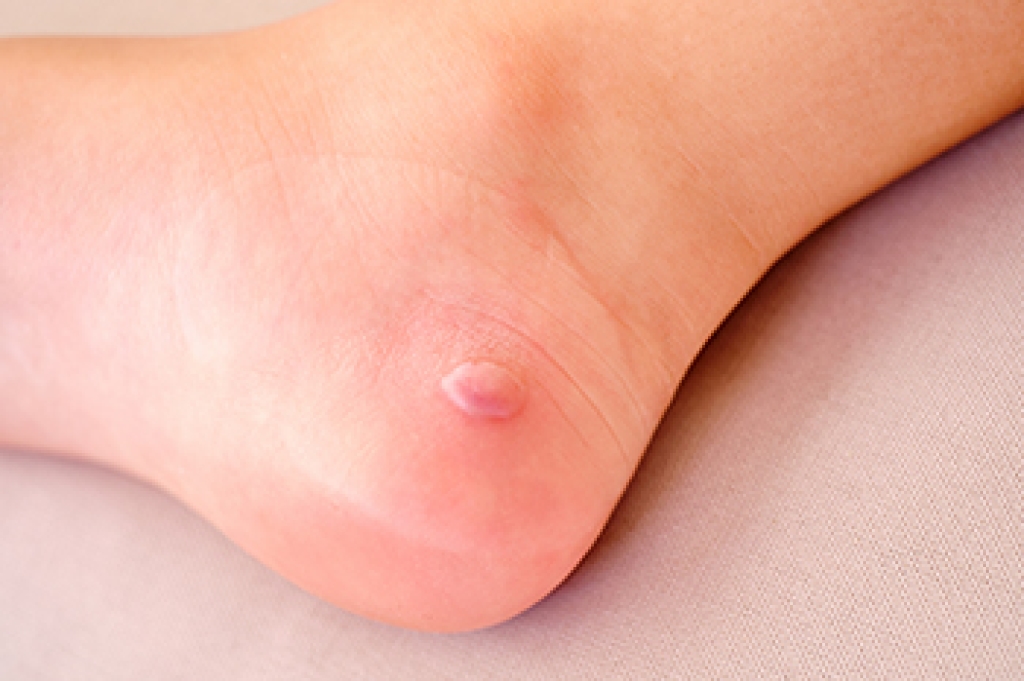
Diabetic foot blisters are fluid-filled areas that develop when skin is damaged by friction, pressure, or irritation. Diabetes can make these injuries more concerning because nerve damage may reduce sensation. A diabetic patient may not notice rubbing until the skin becomes damaged. A blister often looks like a raised bubble containing clear fluid. The surrounding skin may appear red or irritated. A small blister deserves attention because broken skin can become vulnerable to infection.

Symptoms may include a raised bubble, tenderness, or warmth. An open blister can cause drainage and leave raw skin underneath. Common risk factors include diabetic neuropathy, reduced circulation, and repeated pressure. Long periods of walking can increase friction. Previous diabetic foot wounds may also increase concern. Checking your feet every day can help you notice blisters before they become larger or more difficult to heal.


A podiatrist will examine the blister and check circulation, sensation, and possible pressure points. An intact blister may be protected with a suitable dressing while pressure is reduced. If the blister has opened, the podiatrist may carefully clean the area, remove unhealthy tissue when appropriate, and apply wound protection. Footwear may be adjusted to reduce friction. Follow-up visits can help confirm healing and identify the cause of repeated skin irritation.


Do not pop or cut a diabetic foot blister yourself. Damaged skin can create an opening for bacteria and increase infection risk. Keep the area clean and protected while arranging professional evaluation. Watch for worsening redness, warmth, or delayed healing. These changes require prompt medical attention. Good diabetic foot care includes daily inspection and properly fitted shoes. If you have diabetes and have developed a foot blister, it is suggested that you are under the care of a podiatrist who can help you to manage this serious condition. 

Blisters may appear as a single bubble or in a cluster. They can cause a lot of pain and may be filled with pus, blood, or watery serum. If your feet are hurting, contact one of our podiatrists of Grand Blanc Family Footcare. Our doctors can provide the care you need to keep you pain-free and on your feet.

Foot Blisters

Foot blisters are often the result of friction. This happens due to the constant rubbing from shoes, which can lead to pain.

What Are Foot Blisters?

A foot blister is a small fluid-filled pocket that forms on the upper-most layer of the skin. Blisters are filled with clear fluid and can lead to blood drainage or pus if the area becomes infected.

Symptoms

(Blister symptoms may vary depending on what is causing them)

  • Bubble of skin filled with fluid
  • Redness
  • Moderate to severe pain
  • Itching

Prevention & Treatment

In order to prevent blisters, you should be sure to wear comfortable shoes with socks that cushion your feet and absorb sweat. Breaking a blister open may increase your chances of developing an infection. However, if your blister breaks, you should wash the area with soap and water immediately and then apply a bandage to the affected area. If your blisters cause severe pain it is important that you call your podiatrist right away.

If you have any questions, please feel free to contact our office located in Grand Blanc, MI . We offer the newest diagnostic and treatment technologies for all your foot care needs.

Read more about Blisters
Connect with us