


Your feet are covered most of the day. If you're diabetic, periodic screening is important for good health. Numbness is often a sign of diabetic foot and can mask a sore or wound.
Your feet are covered most of the day. If you're diabetic, periodic screening is important for good health. Numbness is often a sign of diabetic foot and can mask a sore or wound.
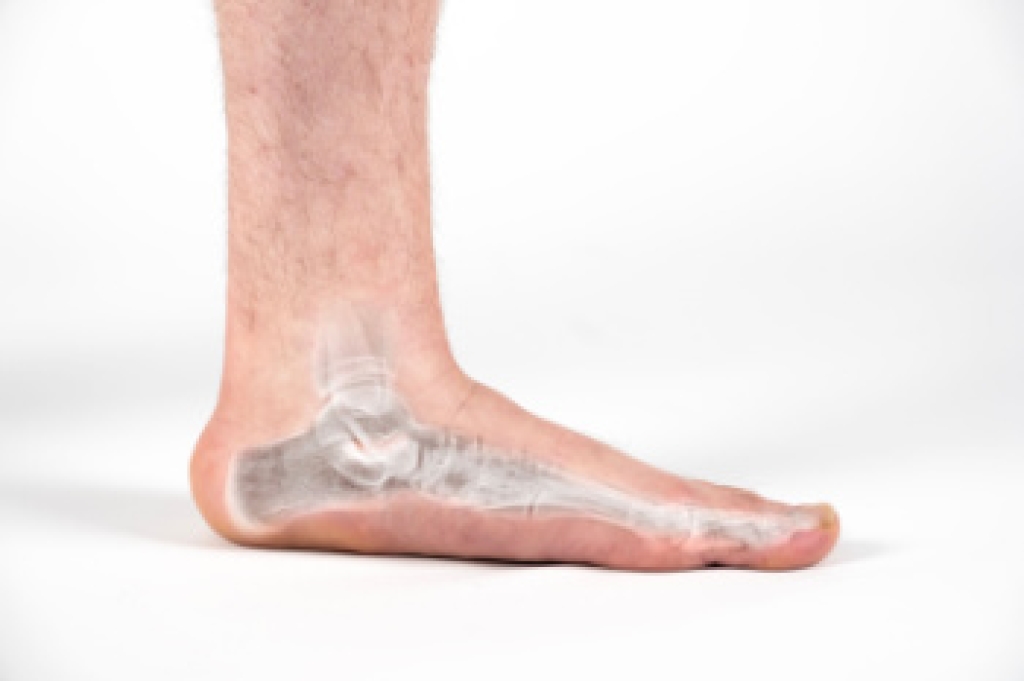
Flat feet occur when the arches of the feet are lower than usual or are not visible while standing. Many children naturally have flat feet during early development, but their arches often form as they grow. In some cases, the arches either do not develop fully or flatten later in life. While many people with flat feet have no symptoms, others may experience foot pain, fatigue, or discomfort after standing or walking for long periods of time. Some individuals also notice swelling along the inside of the ankle or changes in the way they walk. Because flat feet can affect foot function differently from person to person, a professional evaluation is important to determine whether treatment is necessary.
Flat feet can place stress on the muscles, tendons, and joints that support the feet. This added strain may contribute to heel pain, ankle discomfort, or problems with overall alignment when walking. In children, most flexible flat feet do not require treatment unless they are painful, stiff, or interfere with normal activities. A comprehensive podiatry examination helps evaluate foot structure, flexibility, and walking mechanics while identifying any underlying conditions that may be contributing to symptoms. Early assessment is especially important when pain, limited movement, or changes in mobility are present, allowing appropriate care to begin before symptoms become more significant.
A podiatrist specializes in evaluating flat feet in both children and adults and determining whether the condition is affecting foot health or daily function. Professional care focuses on relieving pain, improving mobility, and supporting healthy foot mechanics based on each patient's individual needs. Treatment recommendations are guided by symptoms, physical findings, and overall activity level rather than the appearance of the arch alone. Regular podiatry visits also help monitor changes and identify new concerns early. If you or your child has persistent foot pain, difficulty walking, or concerns about flat feet, it is suggested that you consult a podiatrist for an evaluation and appropriate treatment options.
Flatfoot is a condition many people suffer from. If you have flat feet, contact one of our podiatrists from Grand Blanc Family Footcare. Our doctors will treat your foot and ankle needs.
What Are Flat Feet?
Flatfoot is a condition in which the arch of the foot is depressed and the sole of the foot is almost completely in contact with the ground. About 20-30% of the population generally has flat feet because their arches never formed during growth.
Conditions & Problems:
Having flat feet makes it difficult to run or walk because of the stress placed on the ankles.
Alignment – The general alignment of your legs can be disrupted, because the ankles move inward which can cause major discomfort.
Knees – If you have complications with your knees, flat feet can be a contributor to arthritis in that area.
Symptoms
Treatment
If you are experiencing pain and stress on the foot you may weaken the posterior tibial tendon, which runs around the inside of the ankle.
If you have any questions, please feel free to contact our office located in Grand Blanc, MI . We offer the newest diagnostic and treatment technologies for all your foot care needs.

Arthritis in the feet can be painful, and running with this condition requires thoughtful adjustments to protect the joints while maintaining activity. Arthritis in the feet develops when cartilage wears down, leading to inflammation and discomfort. Although running is a repetitive activity, controlled movement can encourage joint lubrication by compressing and releasing cartilage in affected areas. This can help maintain flexibility when paired with proper technique and supportive footwear.
Symptoms of foot arthritis often include aching pain, stiffness, swelling, and limited movement in the joints. These symptoms may become more noticeable after prolonged activity or during changes in weather. Risk factors include aging, prior injuries, joint misalignment, and repeated impact on hard surfaces. Without proper management, these factors can increase discomfort and reduce mobility over time. Understanding these risks allows individuals to take steps toward safer exercise habits.
Adjusting running habits is essential for reducing stress on the feet. Choosing shoes that provide cushioning and stability can improve shock-absorption and alignment. Running on softer surfaces helps minimize joint impact and protect inflamed areas. Shortening stride length can reduce the force placed on the foot with each step, making movement more efficient. Incorporating rest days and stretching can further support recovery and reduce stiffness. These strategies allow individuals to remain active without worsening symptoms.
The benefits of modifying running techniques include improved comfort, better joint function, and reduced risk of further damage. Staying active supports overall health and helps maintain strength and flexibility. Careful attention to technique can make a significant difference in managing symptoms. If you enjoy running, and arthritis is causing discomfort, it is suggested that you consult a podiatrist for effective relief, management, and guidance tips.
Arthritis can be a difficult condition to live with. If you are seeking treatment, contact one of our podiatrists from Grand Blanc Family Footcare. Our doctors can provide the care you need to keep you pain-free and on your feet.
Arthritic Foot Care
Arthritis is a joint disorder that involves the inflammation of different joints in your body, such as those in your feet. Arthritis is often caused by a degenerative joint disease and causes mild to severe pain in all affected areas. In addition to this, swelling and stiffness in the affected joints can also be a common symptom of arthritis.
In many cases, wearing ill-fitting shoes can worsen the effects and pain of arthritis. Wearing shoes that have a lower heel and extra room can help your feet feel more comfortable. In cases of rheumatoid arthritis, the arch in your foot may become problematic. Buying shoes with proper arch support that contour to your feet can help immensely.
Alleviating Arthritic Pain
It is best to see your doctor for the treatment that is right for your needs and symptoms. Conditions vary, and a podiatrist can help you determine the right method of care for your feet.
If you have any questions please feel free to contact our office located in Grand Blanc, MI . We offer the newest diagnostic tools and technology to treat your foot and ankle needs.

Toenail fungus is an infection that develops when fungi grow in or under the nail. The infection usually begins slowly and can affect one or more toenails. Early signs include white, yellow, or brown discoloration. As the infection progresses, the nail can become thicker, brittle, crumbly, or misshapen. Some people also notice the nail separating from the skin underneath, along with discomfort or an unpleasant odor. Toenail fungus often starts after athlete's foot spreads to the nail, and fungi thrive in warm, moist environments. Wearing shoes for long periods without good air flow and repeated nail injuries can also increase the risk of infection.
A podiatrist carefully examines the affected nail and surrounding skin to confirm the cause of the problem because several nail conditions can look similar. In some cases, testing a small nail sample helps identify the type of infection before treatment begins. Treatment includes trimming thickened nails, removing damaged nail material when appropriate, and recommending the most effective treatment plan. A podiatrist also evaluates foot structure and nail health to reduce pressure that can worsen discomfort. Regular follow-up visits help monitor nail growth and track progress as healthier nail tissue gradually replaces the damaged nail. Addressing the infection early can also help protect nearby nails and improve overall foot health.
Ignoring toenail fungus can allow the infection to spread to additional nails and increase damage to the affected nail. In severe cases, the nail can become deformed or even destroyed. People with diabetes or weakened immune systems should seek prompt podiatry care because complications can develop more easily. Early evaluation helps confirm the diagnosis, guide appropriate treatment, and improve the chances of healthy nail growth. If you have symptoms of toenail fungus, it is suggested that you schedule an appointment with a podiatrist for diagnosis and treatment.
For more information about treatment, contact one of our podiatrists of Grand Blanc Family Footcare. Our doctors can provide the care you need to keep you pain-free and on your feet.
Toenail Fungus Treatment
Toenail fungus is a condition that affects many people and can be especially hard to get rid of. Fortunately, there are several methods to go about treating and avoiding it.
Antifungals & Deterrence
Oral antifungal medicine has been shown to be effective in many cases. It is important to consult with a podiatrist to determine the proper regiment for you, or potentially explore other options.
Applying foot powder on the feet and shoes helps keep the feet free of moisture and sweat.
Sandals or open toed shoes – Wearing these will allow air movement and help keep feet dry. They also expose your feet to light, which fungus cannot tolerate. Socks with moisture wicking material also help as well.
If you have any questions please contact our office located in Grand Blanc, MI . We offer the newest diagnostic and treatment technologies for all your foot and ankle needs.

Ankle sprains happen when the strong ligaments that support the ankle stretch too far or tear after the foot twists in an awkward direction. Ligaments are bands of tissue that connect bones and help keep joints stable. A sprain can occur while running, stepping on an uneven surface, or missing a step. The injury can affect the ligaments on the outside of the ankle or the higher ligaments between the lower leg bones. The severity ranges from mild stretching to a complete tear. Prompt evaluation is important because walking on an injured ankle too soon can make the damage worse and increase the risk of repeated sprains. Wearing shoes that provide good support also helps reduce unnecessary stress on the ankle.
Symptoms include pain, swelling, and trouble putting weight on the foot. Some people notice limited movement or a feeling that the ankle is unstable while walking. Others hear or feel a popping sensation when the injury happens. More severe sprains can make standing and daily activities very difficult. A careful examination helps determine the type and severity of the injury. Imaging tests, like X-rays or other scans, are sometimes needed to rule out a fracture or identify more serious damage. Early diagnosis also helps reduce the chance of long-term ankle problems.
Podiatrists evaluate ankle stability, joint movement, and walking patterns to understand how the injury affects foot function. Treatment focuses on protecting the damaged ligaments, restoring healthy movement, and helping the ankle regain stability. A podiatrist also monitors healing, identifies signs of ongoing instability, and recommends ways to reduce stress on the ankle during recovery. Early care helps lower the risk of repeated sprains, chronic pain, and reduced mobility. Proper treatment also supports a safer return to work, sports, and other daily activities. If you have symptoms of an ankle sprain, it is suggested that you schedule an appointment with a podiatrist for diagnosis and treatment.
Ankle sprains are common but need immediate attention. If you need your feet checked, contact one of our podiatrists from Grand Blanc Family Footcare. Our doctors can provide the care you need to keep you pain-free and on your feet.
How Does an Ankle Sprain Occur?
Ankle sprains take place when the ligaments in your ankle are torn or stretched beyond their limits. There are multiple ways that the ankle can become injured, including twisting or rolling over onto your ankle, putting undue stress on it, or causing trauma to the ankle itself.
What Are the Symptoms?
Preventing a Sprain
Treatment of a Sprain
Treatment of a sprain depends on the severity. Many times, people are told to rest and remain off their feet completely, while others are given an air cast. If the sprain is very severe, surgery may be required.
If you have suffered an ankle sprain previously, you may want to consider additional support such as a brace and regular exercises to strengthen the ankle.
If you have any questions please feel free to contact our office located in Grand Blanc, MI . We offer the newest diagnostic tools and technology to treat your foot and ankle needs.


