


Suffering from this type of pain? You may have the foot condition known as Morton's neuroma. Morton's neuroma may develop as a result of ill-fitting footwear and existing foot deformities. We can help.
Suffering from this type of pain? You may have the foot condition known as Morton's neuroma. Morton's neuroma may develop as a result of ill-fitting footwear and existing foot deformities. We can help.

Nordic walkers use poles to turn a regular walk into a full-body workout. The motion resembles cross-country skiing because the arms push against the poles as the body moves forward. Walking with Nordic poles burns more calories and works more muscles than conventional walking. It engages the arms, shoulders, and core while the legs and feet support each step. The poles can help walkers maintain an even rhythm and a smoother heel-to-toe motion. This controlled stride supports natural foot movement and can make walking feel more secure.
The feet can benefit because the poles add two points of contact with the ground. This added support can improve balance and reduce some of the strain placed on the feet and ankles. This can help on hills and uneven ground. Nordic walking also encourages a longer, more upright stride. Better posture can help distribute body weight more evenly across the feet instead of placing excess pressure on one area. Regular walking supports circulation to the feet and helps maintain movement in the toes, arches, and ankles. However, correct pole use is important. Reaching too far forward or leaning heavily on the poles can disrupt walking form.
A podiatrist can help a patient begin Nordic walking safely by examining the feet, checking balance, and observing how the patient walks. This can identify problems that affect comfort, including heel pain, arthritis, or an abnormal walking pattern. A podiatrist can recommend shoes with the right fit, cushioning, and support. Custom orthotics can also improve foot position and spread pressure more evenly when appropriate. Patients with diabetes, poor circulation, or reduced feeling in their feet can receive guidance on preventing blisters and sores. A podiatrist can also advise how foot or ankle conditions may affect walking distance, pace, and choice of terrain. If you experience foot pain from walking, it is suggested that you schedule an appointment with a podiatrist for a diagnosis and appropriate treatment.
Exercising your feet regularly with the proper foot wear is a great way to prevent injuries and build strength. If you have any concerns about your feet, contact one of our podiatrists from Grand Blanc Family Footcare. Our doctors can provide the care you need to keep you pain-free and on your feet.
Exercise for Your Feet
Exercise for your feet can help you gain strength, mobility and flexibility in your feet. They say that strengthening your feet can be just as rewarding as strengthening another part of the body. Your feet are very important, and we often forget about them in our daily tasks. But it is because of our feet that are we able to get going and do what we need to. For those of us fortunate enough to not have any foot problems, it is an important gesture to take care of them to ensure good health in the long run.
Some foot health exercises can include ankle pumps, tip-toeing, toe rises, lifting off the floor doing reps and sets, and flexing the toes. It is best to speak with Our doctors to determine an appropriate regimen for your needs. Everyone’s needs and bodies are different, and the activities required to maintain strength in the feet vary from individual to individual.
Once you get into a routine of doing regular exercise, you may notice a difference in your feet and how strong they may become.
If you have any questions, please feel free to contact our office located in Grand Blanc, MI . We offer the newest diagnostic and treatment technologies for all your foot care needs.
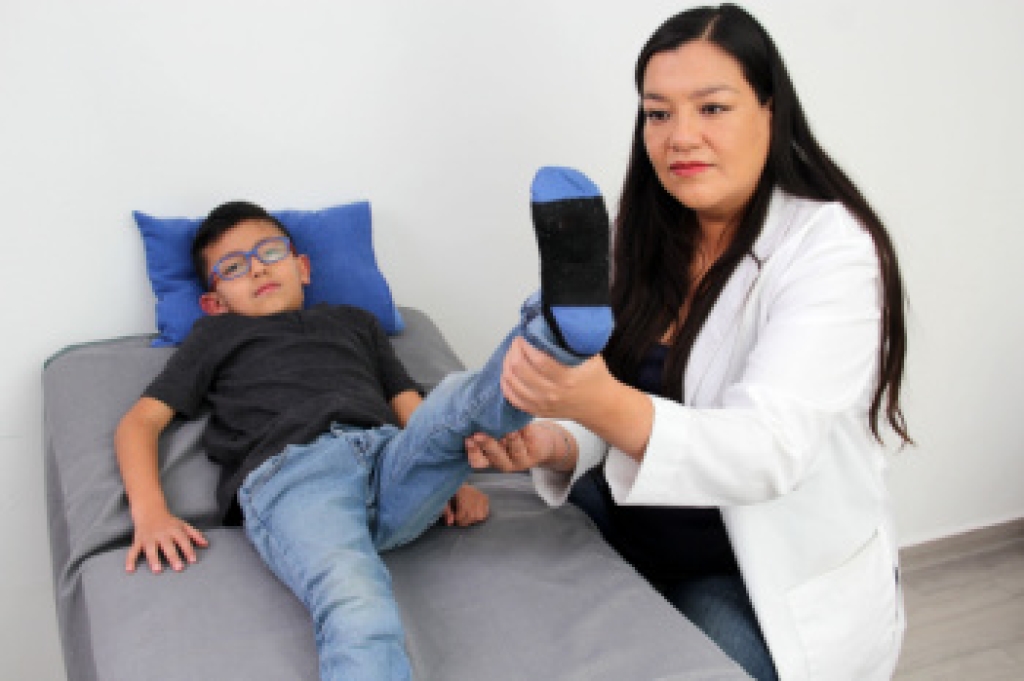
A gait abnormality is an unusual walking pattern that affects how a child places the feet, moves the legs, or maintains balance while walking. Normal gait develops as children grow, but changes in walking can sometimes indicate pain, weakness, or an underlying condition. One common example is an antalgic gait, which is caused by pain. A child with an antalgic gait may spend less time bearing weight on the affected side, and quickly shift weight to the opposite leg. Other causes include leg length discrepancy, flat feet, and joint problems. Early recognition can help prevent worsening discomfort and movement limitations.
Symptoms of gait abnormalities can vary depending on the underlying cause. Parents may notice limping, uneven steps, walking on the toes, or reluctance to participate in physical activities. Children may also complain of foot, ankle, or lower back pain. Risk factors include congenital foot differences, developmental problems, and significant differences in leg length.
A podiatrist can evaluate the child’s walking pattern and determine whether the problem originates in the feet, ankles, or another part of the lower body. Treatment begins with a medical history and physical examination, followed by gait assessment and an evaluation of foot alignment. They may also look at joint movement, muscle strength, and leg length. Imaging may be recommended when structural concerns are suspected. Treatment can include wearing supportive footwear, custom orthotics, or treatment for an underlying foot condition. A leg length discrepancy may require specific correction based on its severity and cause.
Early treatment can improve walking efficiency, reduce pain, and support healthy movement as a child develops. Parents should not ignore persistent limping or noticeable changes in walking, especially when symptoms interfere with school, sports, or daily activities. If your child has developed an unusual walking pattern, it is suggested that you consult a podiatrist for a thorough evolution and proper management and treatment solutions.
Making sure that your children maintain good foot health is very important as they grow. If you have any questions, contact one of our podiatrists of Grand Blanc Family Footcare. Our doctors can provide the care you need to keep you pain-free and on your feet.
Keeping Children's Feet Healthy
Having healthy feet during childhood can help prevent medical problems later in life, namely in the back and legs. As children grow, their feet require different types of care. Here are some things to consider...
Although babies do not walk yet, it is still very important to take care of their feet.
Avoid putting tight shoes or socks on his or her feet.
Allow the baby to stretch and kick his or her feet to feel comfortable.
As a toddler, kids are now on the move and begin to develop differently. At this age, toddlers are getting a feel for walking, so don’t be alarmed if your toddler is unsteady or ‘walks funny’.
As your child gets older, it is important to teach them how to take care of their feet.
Show them proper hygiene to prevent infections such as fungus.
Be watchful for any pain or injury.
Have all injuries checked by a doctor as soon as possible.
Comfortable, protective shoes should always be worn, especially at play.
If you have any questions, please feel free to contact our office located in Grand Blanc, MI . We offer the newest diagnostic and treatment technologies for all your foot care needs.

Congenital foot problems are conditions affecting a baby’s feet that are present at birth. Some develop because of the baby’s position before birth, while others involve differences in how the bones, joints, or muscles formed. One example is clubfoot, which causes the foot to turn inward and downward. Another is metatarsus adductus, in which the front half of the foot curves inward. Some newborn foot deformities are flexible, while others are more rigid. The appearance of a baby’s feet does not always indicate the severity of a condition. A professional examination can help determine the type of foot problem and whether treatment is necessary.
Early evaluation is important because a baby’s feet continue to grow and develop quickly. Some congenital foot deformities may improve as the child grows, while others require medical treatment to guide the foot into a better position. The severity and flexibility of the deformity can help determine the appropriate approach. Certain conditions may affect one foot or both feet. Without proper care, more serious deformities may eventually influence standing, walking, or normal foot function. Identifying the condition early allows health care professionals to monitor development and determine whether additional treatment is needed as the child grows.
A podiatrist can evaluate congenital foot problems by examining the shape, position, and movement of a baby’s feet. The examination can help determine whether the foot is flexible or whether structural changes require closer attention. Depending on the diagnosis, podiatric care may involve monitoring development, specialized casting, or coordination with other medical specialists. Treatment decisions are based on the specific deformity and the child’s development. Early podiatric care can help support proper foot alignment and future mobility when treatment is needed. If you notice unusual positioning, shape, or movement in your baby’s feet, it is suggested that you consult a podiatrist for an evaluation and appropriate treatment options.
Congenital foot problems require immediate attention to avoid future complications. If you have any concerns, contact one of our podiatrists of Grand Blanc Family Footcare. Our doctors can provide the care you need to keep you pain-free and on your feet.
Congenital foot problems are deformities affecting the feet, toes, and/or ankles that children are born with. Some of these conditions have a genetic cause while others just happen. Some specific foot ailments that children may be born with include clubfeet, polydactyly/macrodactyly, and cleft foot. There are several other foot anomalies that can occur congenitally. What all of these conditions have in common is that a child may experience difficulty walking or performing everyday activities, as well as trouble finding footwear that fits their foot deformity. Some of these conditions are more serious than others. Consulting with a podiatrist as early as possible will help in properly diagnosing a child’s foot condition while getting the necessary treatment underway.
What are Causes of Congenital Foot Problem?
A congenital foot problem is one that happens to a child at birth. These conditions can be caused by a genetic predisposition, developmental or positional abnormalities during gestation, or with no known cause.
What are Symptoms of Congenital Foot Problems?
Symptoms vary by the congenital condition. Symptoms may consist of the following:
Treatment and Prevention
While there is nothing one can do to prevent congenital foot problems, raising awareness and receiving neonatal screenings are important. Early detection by taking your child to a podiatrist leads to the best outcome possible.
If you have any questions, please feel free to contact our office located in Grand Blanc, MI . We offer the newest diagnostic and treatment technologies for all your foot care needs.
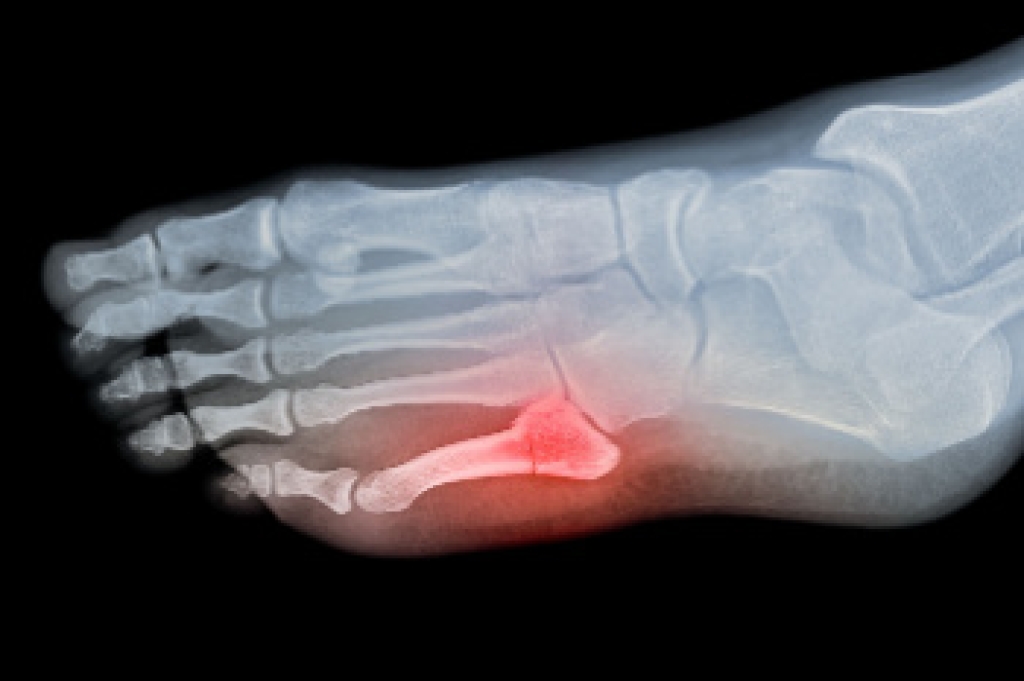
A broken toe can happen when a toe is struck, crushed, or hit by a heavy object. Each toe contains small bones that can fracture after an injury. Symptoms can include pain, swelling, and stiffness. Some broken toes can also look crooked if the bone has moved out of its normal position. The big toe deserves particular attention because it plays an important role in balance and walking. An open wound near the injury can also signal a more serious fracture. A podiatrist can examine the toe, assess its position, and determine how serious the injury is. An examination can also help identify whether an X-ray or other evaluation is appropriate.
Treatment for a broken toe depends on the location and severity of the injury. A podiatrist can evaluate the toe and provide care designed to support proper healing. This can include stabilizing the toe, protecting the injured area, and monitoring its progress. Some fractures heal without surgery, while more severe injuries can require additional treatment. A crooked toe may need to be carefully realigned so the bone can heal in a proper position. Injuries involving an open wound, significant swelling, or the big toe require careful evaluation. A podiatrist can also assess how the injury affects your ability to stand, walk, and wear shoes comfortably.
Most broken toes heal with appropriate treatment, but the healing period can vary based on the injury. More serious fractures can take longer to heal and sometimes require casting or surgery. A podiatrist can monitor healing and look for signs that the toe is not recovering as expected. Symptoms like increasing pain or swelling, numbness, or a toe that becomes more crooked should receive prompt attention. Podiatric evaluation can also help reduce the risk of problems caused by an improperly aligned toe. Getting the injury assessed allows treatment to be based on the type and severity of the fracture. If you have broken your toe, it is suggested that you schedule an appointment with a podiatrist for effective relief and treatment solutions.
A broken toe can be very painful and lead to complications if not properly fixed. If you have any concerns about your feet, contact one of our podiatrists from Grand Blanc Family Footcare. Our doctors will treat your foot and ankle needs.
What to Know About a Broken Toe
Although most people try to avoid foot trauma such as banging, stubbing, or dropping heavy objects on their feet, the unfortunate fact is that it is a common occurrence. Given the fact that toes are positioned in front of the feet, they typically sustain the brunt of such trauma. When trauma occurs to a toe, the result can be a painful break (fracture).
Symptoms of a Broken Toe
Generally, it is best to stay off of the injured toe with the affected foot elevated.
Severe toe fractures may be treated with a splint, cast, and in some cases, minor surgery. Due to its position and the pressure it endures with daily activity, future complications can occur if the big toe is not properly treated.
If you have any questions, please feel free to contact our office located in Grand Blanc, MI . We offer the newest diagnostic and treatment technologies for all your foot care needs.


