

Dr. Karr is one of the top 2 podiatry surgeons to complete 100 lapiplasty procedures.

Steven C. Karr, DPM

Sarah Hewitt, DPM

Serving Mid Michigan

Blog

How Gout Affects Foot Health

Gout is a form of inflammatory arthritis that commonly affects the feet, particularly the joint at the base of the big toe. It develops when excess uric acid in the body forms tiny crystals that collect in a joint, leading to sudden episodes of pain and inflammation. A gout flare can occur without warning, and may cause intense discomfort, swelling, redness, and warmth in the affected area. Many people describe the pain as severe enough to make walking or wearing shoes difficult. Although the big toe is the most common location, gout can also affect the ankles and other joints of the foot.

Symptoms of gout often develop quickly and may become severe within a short period of time. During a flare-up, the affected joint may become extremely tender and swollen. While symptoms can improve between episodes, recurring gout attacks may lead to ongoing joint problems, if left untreated. Certain health conditions and elevated uric acid levels can increase the likelihood of developing gout. Because several foot conditions can cause pain and swelling, obtaining an accurate diagnosis is important. Early identification of gout may help reduce the risk of joint damage and support better long-term foot health.

A podiatrist can play an important role in diagnosing and managing gout-related foot pain. After a thorough examination and diagnostic evaluation, a podiatrist can determine whether gout is the cause of symptoms and recommend appropriate treatment options. Professional care focuses on reducing the impact of gout on foot function and helping patients maintain mobility. Because gout often affects weight-bearing joints in the feet, timely treatment can help prevent symptoms from interfering with daily activities. Addressing gout early may also help reduce the risk of future complications involving the joints. If you have gout-related foot pain, it is suggested that you consult a podiatrist for an evaluation and appropriate treatment options, helping you to manage this painful condition.

Gout is a painful condition that can be treated. If you are seeking treatment, contact one of our podiatrists from Grand Blanc Family Footcare. Our doctors will treat your foot and ankle needs.

What Is Gout?

Gout is a form of arthritis that is characterized by sudden, severe attacks of pain, redness, and tenderness in the joints. The condition usually affects the joint at the base of the big toe. A gout attack can occur at any random time, such as the middle of the night while you are asleep.

Symptoms

  • Intense Joint Pain - Usually around the large joint of your big toe, and it most severe within the first four to twelve hours
  • Lingering Discomfort - Joint discomfort may last from a few days to a few weeks
  • Inflammation and Redness -Affected joints may become swollen, tender, warm and red
  • Limited Range of Motion - May experience a decrease in joint mobility

Risk Factors

  • Genetics - If family members have gout, you’re more likely to have it
  • Medications - Diuretic medications can raise uric acid levels
  • Gender/Age - Gout is more common in men until the age of 60. It is believed that estrogen protects women until that point
  • Diet - Eating red meat and shellfish increases your risk
  • Alcohol - Having more than two alcoholic drinks per day increases your risk
  • Obesity - Obese people are at a higher risk for gout

Prior to visiting your podiatrist to receive treatment for gout, there are a few things you should do beforehand. If you have gout you should write down your symptoms--including when they started and how often you experience them, important medical information you may have, and any questions you may have. Writing down these three things will help your podiatrist in assessing your specific situation so that he or she may provide the best route of treatment for you.

If you have any questions, please feel free to contact our office located in Grand Blanc, MI . We offer the newest diagnostic and treatment technologies for all your foot care needs.

Read more about Gout

When Athlete’s Foot Becomes More Serious

Athlete’s foot is a common fungal skin infection that often causes itching, redness, peeling, and irritation, usually between the toes or along the sole. When the skin becomes severely damaged, bacteria can enter through these openings and cause an additional infection. This may lead to increased redness, swelling, warmth, pain, drainage, or worsening skin breakdown. What begins as a surface skin problem can become more serious, if not properly treated. A podiatrist can determine whether the issue involves a fungal infection alone or a combination of problems that require different treatment approaches. Care may include addressing the infection, protecting damaged skin, reducing moisture buildup, and identifying factors that contributed to the condition. Early treatment helps prevent worsening symptoms and complications. If you have athlete’s foot that is becoming painful, spreading, or showing signs of infection, it is suggested that you visit a podiatrist for prompt evaluation and appropriate treatment solutions.

Athlete’s Foot

Athlete’s foot is often an uncomfortable condition to experience. Thankfully, podiatrists specialize in treating athlete’s foot and offer the best treatment options. If you have any questions about athlete’s foot, consult with one of our podiatrists from Grand Blanc Family Footcare. Our doctors will assess your condition and provide you with quality treatment.

What Is Athlete’s Foot?

Tinea pedis, more commonly known as athlete’s foot, is a non-serious and common fungal infection of the foot. Athlete’s foot is contagious and can be contracted by touching someone who has it or infected surfaces. The most common places contaminated by it are public showers, locker rooms, and swimming pools. Once contracted, it grows on feet that are left inside moist, dark, and warm shoes and socks.

Prevention

The most effective ways to prevent athlete’s foot include:

  • Thoroughly washing and drying feet
  • Avoid going barefoot in locker rooms and public showers
  • Using shower shoes in public showers
  • Wearing socks that allow the feet to breathe
  • Changing socks and shoes frequently if you sweat a lot

Symptoms

Athlete’s foot initially occurs as a rash between the toes. However, if left undiagnosed, it can spread to the sides and bottom of the feet, toenails, and if touched by hand, the hands themselves. Symptoms include:

  • Redness
  • Burning
  • Itching
  • Scaly and peeling skin

Diagnosis and Treatment

Diagnosis is quick and easy. Skin samples will be taken and either viewed under a microscope or sent to a lab for testing. Sometimes, a podiatrist can diagnose it based on simply looking at it. Once confirmed, treatment options include oral and topical antifungal medications.

If you have any questions, please feel free to contact our office located in Grand Blanc, MI . We offer the newest diagnostic and treatment technologies for all your foot care needs.
Read more about Athlete's Foot

Various Causes of Heel Pain

Heel pain develops when the structures supporting the heel become irritated or overworked. Activities such as walking, jumping, and running place constant pressure on the feet, which can lead to inflammation or small tissue injuries over time. It often appears as a sharp or dull ache in the bottom or back of the heel, especially during the first steps in the morning or after rest. Repetitive stress, tight calf muscles, and lack of proper support can all contribute to its development. While stretching may help maintain flexibility in the surrounding muscles, ongoing pain may signal a deeper issue. A podiatrist can evaluate the cause of heel pain, check foot alignment, and recommend targeted treatment options to improve comfort and movement. If you have heel pain, it is suggested that you promptly consult a podiatrist who can determine what the cause is and offer effective relief and treatment solutions.

Many people suffer from bouts of heel pain. For more information, contact one of our podiatrists of Grand Blanc Family Footcare. Our doctors can provide the care you need to keep you pain-free and on your feet.

Causes of Heel Pain

Heel pain is often associated with plantar fasciitis. The plantar fascia is a band of tissues that extends along the bottom of the foot. A rip or tear in this ligament can cause inflammation of the tissue.

Achilles tendonitis is another cause of heel pain. Inflammation of the Achilles tendon will cause pain from fractures and muscle tearing. Lack of flexibility is also another symptom.

Heel spurs are another cause of pain. When the tissues of the plantar fascia undergo a great deal of stress, it can lead to ligament separation from the heel bone, causing heel spurs.

Why Might Heel Pain Occur?

  • Wearing ill-fitting shoes                
  • Wearing non-supportive shoes
  • Weight change           
  • Excessive running

Treatments

Heel pain should be treated as soon as possible for immediate results. Keeping your feet in a stress-free environment will help. If you suffer from Achilles tendonitis or plantar fasciitis, applying ice will reduce the swelling. Stretching before an exercise like running will help the muscles. Using all these tips will help make heel pain a condition of the past.

If you have any questions, please feel free to contact our office located in Grand Blanc, MI . We offer the newest diagnostic and treatment technologies for all your foot care needs.
Read more about Heel Pain

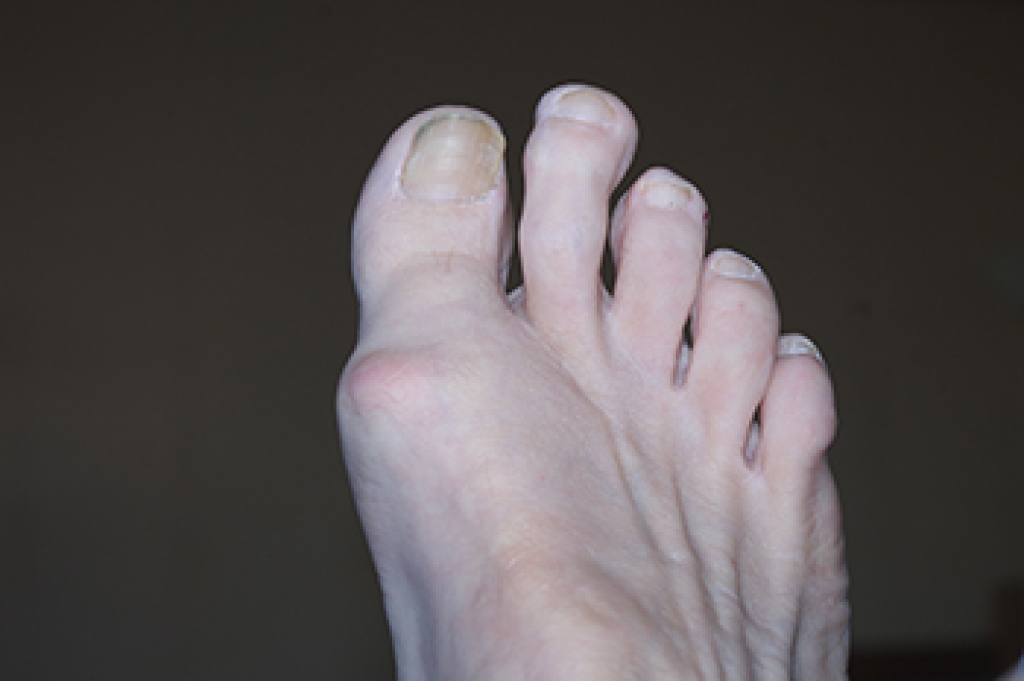
Understanding Morton's Toe

Morton's toe is a structural condition where the second toe appears longer than the big toe, due to a shorter first metatarsal bone. It is not the same as Morton's neuroma, which involves nerve irritation. Morton's toe can lead to uneven weight distribution during walking, often causing pain under the ball of the foot or near the second toe. Some people notice callus formation, soreness, or fatigue after standing for long periods. It develops naturally based on foot structure and may become more noticeable with certain footwear or activity levels. A podiatrist can evaluate foot alignment, identify pressure points, and provide treatment options to improve balance and reduce strain. Care focuses on proper support and long-term comfort. If you have this condition, it is suggested that you consult a podiatrist who can offer relief and management tips.

Foot Pain

Foot pain can be extremely painful and debilitating. If you have a foot pain, consult with one of our podiatrists from Grand Blanc Family Footcare. Our doctors will assess your condition and provide you with quality foot and ankle treatment.

Causes

Foot pain is a very broad condition that could be caused by one or more ailments. The most common include:

  • Bunions
  • Hammertoes
  • Plantar Fasciitis
  • Bone Spurs
  • Corns
  • Tarsal Tunnel Syndrome
  • Ingrown Toenails
  • Arthritis (such as Gout, Rheumatoid, and Osteoarthritis)
  • Flat Feet
  • Injury (from stress fractures, broken toe, foot, ankle, Achilles tendon ruptures, and sprains)
  • And more

Diagnosis

To figure out the cause of foot pain, podiatrists utilize several different methods. This can range from simple visual inspections and sensation tests to X-rays and MRI scans. Prior medical history, family medical history, and any recent physical traumatic events will all be taken into consideration for a proper diagnosis.

Treatment

Treatment depends upon the cause of the foot pain. Whether it is resting, staying off the foot, or having surgery; podiatrists have a number of treatment options available for foot pain.

If you have any questions, please feel free to contact our office located in Grand Blanc, MI . We offer the newest diagnostic and treatment technologies for all your foot care needs.

Read more about Foot Pain

How Diabetic Neuropathy Affects the Feet

Diabetic neuropathy is a type of nerve damage linked to diabetes that commonly affects the feet and lower legs. High blood sugar can damage nerves, causing numbness, tingling, burning pain, and sharp shooting sensations in the feet. Some people lose the ability to feel heat, cold, or injuries, which increases the risk of cuts, blisters, and foot ulcers going unnoticed. Changes in sensation can also affect balance and stability when walking, increasing the risk of falls. Because feeling in the feet becomes reduced, small wounds can develop into serious infections. A podiatrist can examine the feet, check for nerve damage, monitor circulation, and provide treatment to help prevent further complications. Early care is important for protecting foot health and lowering the risk of severe infections or long-term tissue damage. If you have symptoms of diabetic neuropathy, it is suggested that you schedule an appointment with a podiatrist for expert guidance in managing this condition.

Neuropathy

Neuropathy can be a potentially serious condition, especially if it is left undiagnosed. If you have any concerns that you may be experiencing nerve loss in your feet, consult with one of our podiatrists from Grand Blanc Family Footcare. Our doctors will assess your condition and provide you with quality foot and ankle treatment for neuropathy.

What Is Neuropathy?

Neuropathy is a condition that leads to damage to the nerves in the body. Peripheral neuropathy, or neuropathy that affects your peripheral nervous system, usually occurs in the feet. Neuropathy can be triggered by a number of different causes. Such causes include diabetes, infections, cancers, disorders, and toxic substances.

Symptoms of Neuropathy Include:

  • Numbness
  • Sensation loss
  • Prickling and tingling sensations
  • Throbbing, freezing, burning pains
  • Muscle weakness

Those with diabetes are at serious risk due to being unable to feel an ulcer on their feet. Diabetics usually also suffer from poor blood circulation. This can lead to the wound not healing, infections occurring, and the limb may have to be amputated.

Treatment

To treat neuropathy in the foot, podiatrists will first diagnose the cause of the neuropathy. Figuring out the underlying cause of the neuropathy will allow the podiatrist to prescribe the best treatment, whether it be caused by diabetes, toxic substance exposure, infection, etc. If the nerve has not died, then it’s possible that sensation may be able to return to the foot.

Pain medication may be issued for pain. Electrical nerve stimulation can be used to stimulate nerves. If the neuropathy is caused from pressure on the nerves, then surgery may be necessary.

If you have any questions, please feel free to contact our office located in Grand Blanc, MI . We offer the newest diagnostic and treatment technologies for all your foot care needs.

Read more about Neuropathy
Connect with us