


Custom orthotics, or shoe inserts, should be periodically replaced. Orthotics must fit properly to give you the best results. Protect your feet and ankles!
Custom orthotics, or shoe inserts, should be periodically replaced. Orthotics must fit properly to give you the best results. Protect your feet and ankles!

Hallux limitus and hallux rigidus are conditions that affect movement in the joint at the base of the big toe. Hallux limitus usually begins with reduced flexibility, while hallux rigidus develops when the joint becomes severely stiff and painful. Many people notice discomfort while walking, bending the toe, climbing stairs, or pushing off during movement. Swelling, aching, and a bump on the top of the joint may also appear as the condition progresses. Over time, cartilage inside the joint can wear down, leading to inflammation and bone changes that make motion more difficult. Some patients change the way they walk to avoid pain, which can place added strain on the feet, knees, hips, or lower back. A podiatrist can evaluate joint function, order imaging studies, and recommend treatments such as wearing supportive footwear, custom orthotics, anti-inflammatory care, or surgery, when necessary. It is strongly suggested that individuals with persistent big toe stiffness or pain visit a podiatrist for proper treatment.
Toe pain can disrupt your daily activities. If you have any concerns, contact one of our podiatrists of Grand Blanc Family Footcare. Our doctors can provide the care you need to keep you pain-free and on your feet.
What Causes Toe Pain?
Most severe toe pain is caused due to a sports injury, trauma from dropping something heavy on the toe, or bumping into something rigid. Other problems can develop over time for various reasons.
Toe pain can be caused by one or more ailments. The most common include:
When to See a Podiatrist
Diagnosis
In many cases the cause of toe pain is obvious, but in others, a podiatrist may want to use more advanced methods to determine the problem. These can range from simple visual inspections and sensation tests to X-rays and MRI scans. Prior medical history, family medical history, and any recent physical traumatic events will all be taken into consideration for a proper diagnosis.
Treatment
Treatments for toe pain and injuries vary and may include shoe inserts, padding, taping, medicines, injections, and in some cases, surgery. If you believe that you have broken a toe, please see a podiatrist as soon as possible.
If you have any questions please contact our office located in Grand Blanc, MI . We offer the newest diagnostic and treatment technologies for all your foot and ankle needs.
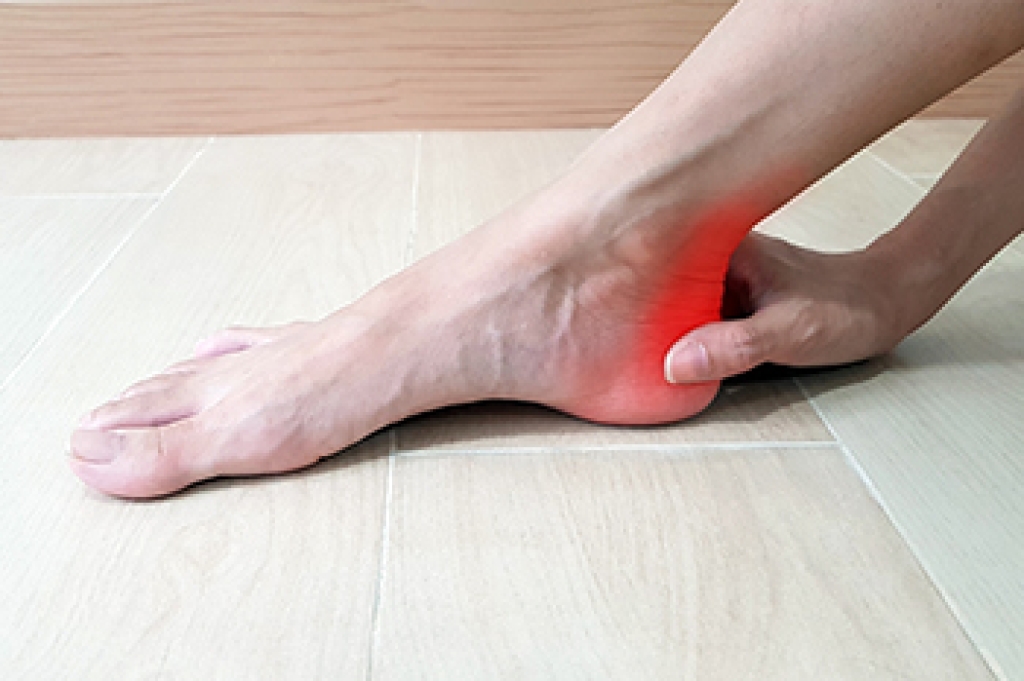
Achilles tendinopathy involves irritation and deterioration of the Achilles tendon, which connects the calf muscles to the heel. It often develops gradually and may cause pain, stiffness, or a tight feeling along the back of the ankle. It can occur both while walking or after periods of rest. The area may appear slightly swollen or thickened, and can feel tender to the touch. Common causes for heel pain include overuse, sudden increases in activity, or tight calf muscles. Wearing improper footwear can also place extra strain on the tendon. A podiatrist can evaluate the tendon, assess movement, and may use imaging to determine the extent of the condition. Treatment often includes activity modification, supportive footwear, and anti-inflammatory care. Targeted exercises can help to improve flexibility and strength. Early care can prevent worsening or tearing of the tendon. If you have pain along the back of your heel, it is suggested that you schedule an appointment with a podiatrist for an evaluation and appropriate treatment.
Achilles tendon injuries need immediate attention to avoid future complications. If you have any concerns, contact one of our podiatrists of Grand Blanc Family Footcare. Our doctors can provide the care you need to keep you pain-free and on your feet.
What Is the Achilles Tendon?
The Achilles tendon is a tendon that connects the lower leg muscles and calf to the heel of the foot. It is the strongest tendon in the human body and is essential for making movement possible. Because this tendon is such an integral part of the body, any injuries to it can create immense difficulties and should immediately be presented to a doctor.
What Are the Symptoms of an Achilles Tendon Injury?
There are various types of injuries that can affect the Achilles tendon. The two most common injuries are Achilles tendinitis and ruptures of the tendon.
Achilles Tendinitis Symptoms
Rupture Symptoms
Treatment and Prevention
Achilles tendon injuries are diagnosed by a thorough physical evaluation, which can include an MRI. Treatment involves rest, physical therapy, and in some cases, surgery. However, various preventative measures can be taken to avoid these injuries, such as:
If you have any questions please feel free to contact our office located in Grand Blanc, MI . We offer the newest diagnostic tools and technology to treat your foot and ankle needs.
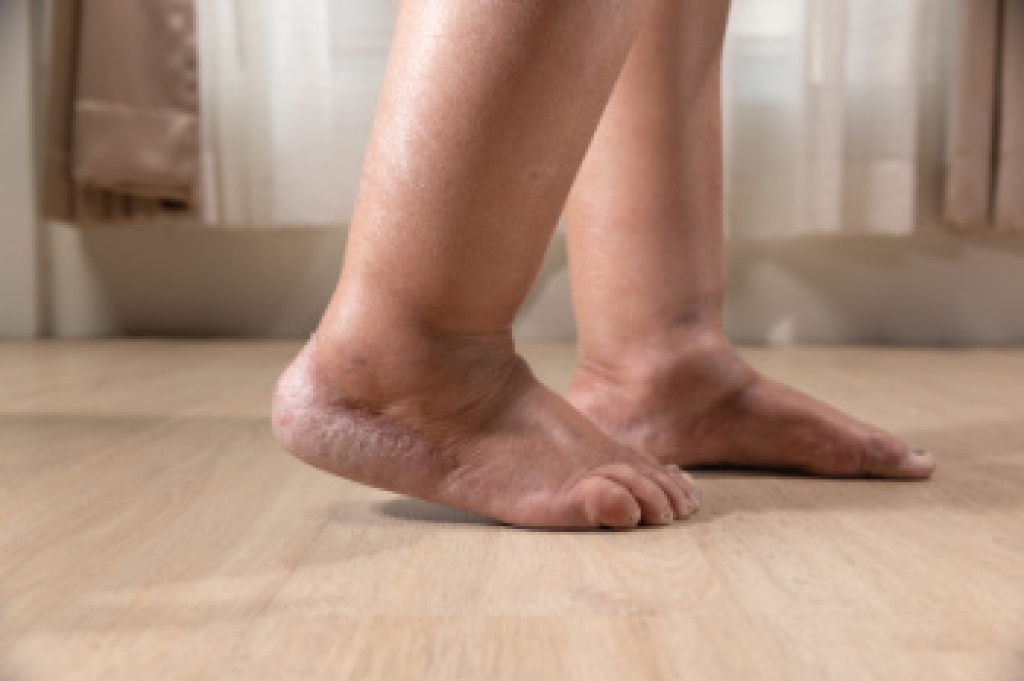
Swelling of the feet can occur for several reasons related to circulation, fluid balance, or underlying health conditions. This condition, known as edema, develops when excess fluid collects in the tissues of the lower extremities. These help to support body weight and assist in returning blood toward the heart. Common causes of swelling include prolonged standing or sitting, injury, or medical conditions that affect how fluid is regulated in the body. The feet may appear puffy or enlarged, and the skin can feel tight or look shiny. Some people notice an indentation after pressing on the area. A podiatrist can evaluate the swelling through a physical exam and may recommend imaging or coordinate care to determine contributing factors. Treatment options include compression, elevation, and supportive footwear. Targeted exercises to improve circulation and reduce fluid buildup may be suggested. If your feet have become swollen, it is suggested that you schedule an appointment with a podiatrist who can determine what the cause is, and offer appropriate relief tips.
Swollen feet can be a sign of an underlying condition. If you have any concerns, contact one of our podiatrists of Grand Blanc Family Footcare. Our doctors can provide the care you need to keep you pain-free and on your feet.
Swollen feet are a common ailment among pregnant women and people who stand or sit for extended periods. Aging may increase the possibility of swollen feet and patients who are obese often notice when their feet are swelling too. There may be medical reasons why swollen feet occur:
Swollen feet can also be caused by bone and tendon conditions, including fractures, arthritis, and tendinitis. Additionally, there may be skin and toenail conditions and an infection may cause the feet to swell. Patients who take medicine to treat high blood pressure may be prone to getting swollen feet.
Many patients elevate their feet to help relieve the swelling and this is generally a temporary remedy. When a podiatrist is consulted the reason behind the swelling can be uncovered and subsequently treated.
If you have any questions please contact our office located in Grand Blanc, MI . We offer the newest diagnostic and treatment technologies for all your foot and ankle needs.

Articular fractures in the foot are breaks that extend into a joint, which makes them more serious than typical fractures. Since joints allow smooth movement between bones, damage in this area can lead to stiffness, pain, or even arthritis if not handled properly. Doctors usually begin by using imaging tools like X-rays or CT scans to see how severe the injury is. For mild cases, treatment may include rest, wearing a cast or boot, and avoiding putting weight on the foot. More serious fractures often need surgery to realign the joint and hold the bones in place with screws or plates. Recovery doesn’t stop there. Targeted exercise plays a big role in regaining strength and flexibility. If you suspect a foot injury, it is suggested that you seek care from a podiatrist early to protect your mobility and long-term health.
A broken foot requires immediate medical attention and treatment. If you need your feet checked, contact one of our podiatrists from Grand Blanc Family Footcare. Our doctors can provide the care you need to keep you pain-free and on your feet.
Broken Foot Causes, Symptoms, and Treatment
A broken foot is caused by one of the bones in the foot typically breaking when bended, crushed, or stretched beyond its natural capabilities. Usually the location of the fracture indicates how the break occurred, whether it was through an object, fall, or any other type of injury.
Common Symptoms of Broken Feet:
Those that suspect they have a broken foot shoot seek urgent medical attention where a medical professional could diagnose the severity.
Treatment for broken bones varies depending on the cause, severity and location. Some will require the use of splints, casts or crutches while others could even involve surgery to repair the broken bones. Personal care includes the use of ice and keeping the foot stabilized and elevated.
If you have any questions, please feel free to contact our office located in Grand Blanc, MI . We offer the newest diagnostic and treatment technologies for all your foot care needs.


