
Dr. Karr is one of the top 2 podiatry surgeons to complete 100 lapiplasty procedures.

Steven C. Karr, DPM

Sarah Hewitt, DPM

Serving Mid Michigan

Blog

Types of Foot Issues

Blisters, calluses, and cracked heels are common foot conditions that can cause significant discomfort during daily activities. Blisters form when friction from shoes or repeated movement causes fluid to collect under the skin. They may appear as raised, tender areas that feel sensitive when walking. Callouses develop when the skin thickens in response to pressure or friction, often on the ball of the foot or heel. While they protect the skin, they can become painful if they grow too thick. Cracked heels occur when dry skin splits along the heel, sometimes forming deep fissures that may sting or bleed. These problems are often linked to prolonged standing, poorly fitting shoes, dry skin, or uneven pressure on the foot. A podiatrist can evaluate the foot to determine why these conditions are developing and whether underlying issues, such as foot structure or walking patterns, are contributing to the pain. Treatment may include professional skin care, supportive footwear, and targeted exercises that improve pressure balance. If you have ongoing foot pain, it is suggested that you make an appointment with a podiatrist for a diagnosis and treatment.

Foot Pain

Foot pain can be extremely painful and debilitating. If you have a foot pain, consult with one of our podiatrists from Grand Blanc Family Footcare. Our doctors will assess your condition and provide you with quality foot and ankle treatment.

Causes

Foot pain is a very broad condition that could be caused by one or more ailments. The most common include:

  • Bunions
  • Hammertoes
  • Plantar Fasciitis
  • Bone Spurs
  • Corns
  • Tarsal Tunnel Syndrome
  • Ingrown Toenails
  • Arthritis (such as Gout, Rheumatoid, and Osteoarthritis)
  • Flat Feet
  • Injury (from stress fractures, broken toe, foot, ankle, Achilles tendon ruptures, and sprains)
  • And more

Diagnosis

To figure out the cause of foot pain, podiatrists utilize several different methods. This can range from simple visual inspections and sensation tests to X-rays and MRI scans. Prior medical history, family medical history, and any recent physical traumatic events will all be taken into consideration for a proper diagnosis.

Treatment

Treatment depends upon the cause of the foot pain. Whether it is resting, staying off the foot, or having surgery; podiatrists have a number of treatment options available for foot pain.

If you have any questions, please feel free to contact our office located in Grand Blanc, MI . We offer the newest diagnostic and treatment technologies for all your foot care needs.
Read more about Foot Pain

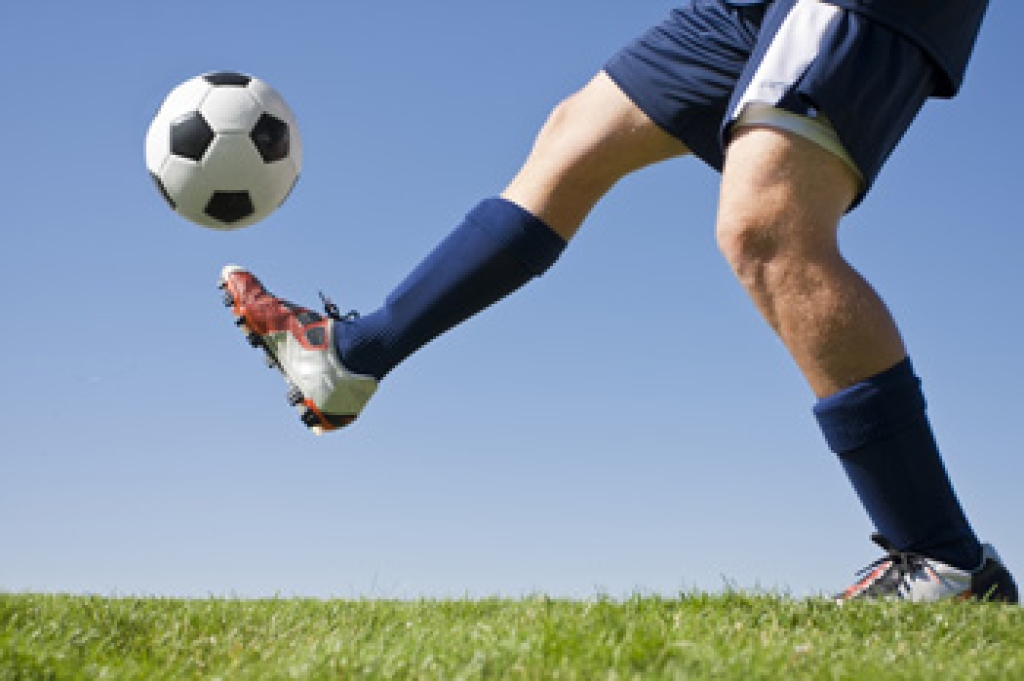
Achilles Tendon Injuries in Soccer Players

Achilles tendon injuries are common among soccer players, also termed footballers, because the sport involves sudden acceleration, quick direction changes, and repeated jumping. These injuries often require a careful period of recovery to allow the tendon to heal and regain strength. Two common forms are mid-portion Achilles tendinopathy and insertional Achilles tendinopathy. Mid-portion injury occurs along the central section of the tendon and often develops from repetitive strain. Insertional injuries occur where the tendon attaches to the heel bone and may involve inflammation or bony irritation. Symptoms include heel pain, stiffness, swelling, and reduced strength during movement. Risk factors include overtraining, tight calf muscles, and wearing improper footwear. A podiatrist can diagnose the condition and guide recovery. If you have sustained an Achilles tendon injury, it is suggested that you consult a podiatrist who can offer effective relief and treatment solutions. 

Sports related foot and ankle injuries require proper treatment before players can go back to their regular routines. For more information, contact one of our podiatrists of Grand Blanc Family Footcare. Our doctors can provide the care you need to keep you pain-free and on your feet.

Sports Related Foot and Ankle Injuries

Foot and ankle injuries are a common occurrence when it comes to athletes of any sport. While many athletes dismiss the initial aches and pains, the truth is that ignoring potential foot and ankle injuries can lead to serious problems. As athletes continue to place pressure and strain the area further, a mild injury can turn into something as serious as a rupture and may lead to a permanent disability. There are many factors that contribute to sports related foot and ankle injuries, which include failure to warm up properly, not providing support or wearing bad footwear. Common injuries and conditions athletes face, including:

  • Plantar Fasciitis
  • Achilles Tendinitis
  • Achilles Tendon Rupture
  • Ankle Sprains

Sports related injuries are commonly treated using the RICE method. This includes rest, applying ice to the injured area, compression and elevating the ankle. More serious sprains and injuries may require surgery, which could include arthroscopic and reconstructive surgery. Rehabilitation and therapy may also be required in order to get any recovering athlete to become fully functional again. Any unusual aches and pains an athlete sustains must be evaluated by a licensed, reputable medical professional.

If you have any questions please contact our office located in Grand Blanc, MI . We offer the newest diagnostic and treatment technologies for all your foot and ankle needs.

Read more about Sports Related Foot And Ankle Injuries

Why Bunions Form and How They Are Managed

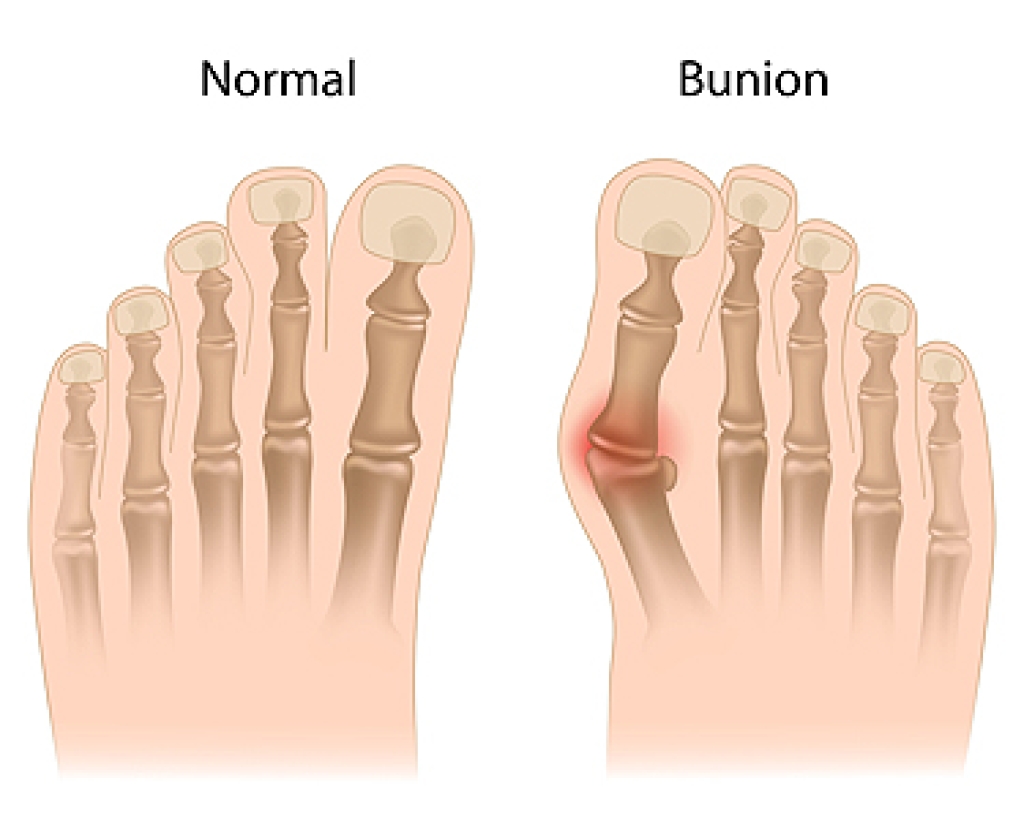
A bunion develops when the tip of the big toe gradually shifts toward the smaller toes, causing a bony bump to form at the base of the joint. This change occurs over time as pressure alters the alignment of the bones in the forefoot. Wearing tight footwear, inherited foot structure, and flat arches can increase stress on the joint. As the joint moves out of place, the surrounding tissues may become swollen and tender. Symptoms often include redness, soreness, and difficulty wearing certain shoes. Some people notice stiffness or limited motion in the big toe. Early care focuses on easing pressure and slowing progression. Wearing wide, supportive shoes and using custom orthotics can improve alignment. Padding and anti-inflammatory measures may reduce discomfort. When pain interferes with daily life, further treatment options are discussed. If you have a painful bump near your big toe, it is suggested that you see a podiatrist for a proper diagnosis and appropriate treatment.

If you are suffering from bunions, contact one of our podiatrists of Grand Blanc Family Footcare. Our doctors can provide the care you need to keep you pain-free and on your feet.

What Is a Bunion?

A bunion is formed of swollen tissue or an enlargement of boney growth, usually located at the base joint of the toe that connects to the foot. The swelling occurs due to the bones in the big toe shifting inward, which impacts the other toes of the foot. This causes the area around the base of the big toe to become inflamed and painful.

Why Do Bunions Form?

Genetics – Susceptibility to bunions are often hereditary

Stress on the feet – Poorly fitted and uncomfortable footwear that places stress on feet, such as heels, can worsen existing bunions

How Are Bunions Diagnosed?

Podiatrists often perform two tests – blood tests and x-rays – when trying to diagnose bunions, especially in the early stages of development. Blood tests help determine if the foot pain is being caused by something else, such as arthritis, while x-rays provide a clear picture of your bone structure to your provider.

How Are Bunions Treated?

  • Refrain from wearing heels or similar shoes that cause discomfort
  • Select wider shoes that can provide more comfort and reduce pain
  • Anti-inflammatory and pain management drugs
  • Orthotics or foot inserts
  • Surgery

If you have any questions, please feel free to contact our office located in Grand Blanc, MI . We offer the newest diagnostic and treatment technologies for all your foot care needs.

Read more about What Are Bunions?

Burning Pain Between the Toes

Morton’s neuroma is a painful condition that most commonly affects the nerve between the third and fourth toes. It develops when the tissue around a nerve thickens due to irritation, pressure, or repeated stress. Tight shoes, high heels, and high impact activities can increase the risk. Patients often describe a sharp or burning pain in the ball of the foot that may radiate into the toes. Some report numbness, tingling, or the feeling of a pebble trapped inside the shoe. The area may look normal from the outside, but the discomfort can make walking difficult. A podiatrist begins with a thorough examination and may use imaging to confirm the diagnosis. Treatment includes shoe modifications, custom orthotics, anti-inflammatory medication, targeted exercises, or carefully placed injections to reduce irritation. In persistent cases, a minor surgical procedure may be considered. If you think you may have Morton’s neuroma, it is suggested that you make an appointment with a podiatrist for proper evaluation and care.

Morton’s neuroma is a very uncomfortable condition to live with. If you think you have Morton’s neuroma, contact one of our podiatrists of Grand Blanc Family Footcare. Our doctors will attend to all of your foot care needs and answer any of your related questions.  

Morton’s Neuroma

Morton's neuroma is a painful foot condition that commonly affects the areas between the second and third or third and fourth toe, although other areas of the foot are also susceptible. Morton’s neuroma is caused by an inflamed nerve in the foot that is being squeezed and aggravated by surrounding bones.

What Increases the Chances of Having Morton’s Neuroma?

  • Ill-fitting high heels or shoes that add pressure to the toe or foot
  • Jogging, running or any sport that involves constant impact to the foot
  • Flat feet, bunions, and any other foot deformities

Morton’s neuroma is a very treatable condition. Orthotics and shoe inserts can often be used to alleviate the pain on the forefront of the feet. In more severe cases, corticosteroids can also be prescribed. In order to figure out the best treatment for your neuroma, it’s recommended to seek the care of a podiatrist who can diagnose your condition and provide different treatment options.

If you have any questions, please feel free to contact our office located in Grand Blanc, MI . We offer the newest diagnostic and treatment technologies for all your foot care needs.

Read more about Morton's Neuroma

How Climate and Humidity Can Influence Lower Limb Arthritis

Arthritis in the ankles and feet often feels more noticeable when weather conditions change. Many people report increased stiffness and aching during cold or damp periods. Higher humidity may contribute to joint swelling by affecting how tissues respond to pressure, while cooler temperatures can reduce circulation and increase muscle tightness around joints. Warmer climates with steady temperatures are often better tolerated because joints stay more flexible and muscles relax more easily. Dry air may also reduce the sensation of heaviness or swelling in the lower limbs. That said, climate alone does not cause arthritis, and individual responses vary widely. Wearing supportive footwear, regular movement, and proper medical care remain important regardless of location. If lower foot or ankle pain worsens with weather changes or limits daily activity, it is suggested that you see a podiatrist for a proper diagnosis and appropriate treatment.

Arthritis can be a difficult condition to live with. If you are seeking treatment, contact one of our podiatrists from Grand Blanc Family Footcare. Our doctors can provide the care you need to keep you pain-free and on your feet.

Arthritic Foot Care  

Arthritis is a term that is commonly used to describe joint pain.  The condition itself can occur to anyone of any age, race, or gender, and there are over 100 types of it.  Nevertheless, arthritis is more commonly found in women compared to men, and it is also more prevalent in those who are overweight. The causes of arthritis vary depending on which type of arthritis you have. Osteoarthritis for example, is often caused by injury, while rheumatoid arthritis is caused by a misdirected immune system.

Symptoms

  • Swelling
  • Pain
  • Stiffness
  • Decreased Range of Motion

Arthritic symptoms range in severity, and they may come and go. Some symptoms stay the same for several years but could potentially get worse with time. Severe cases of arthritis can prevent its sufferers from performing daily activities and make walking difficult.

Risk Factors

  • Occupation – Occupations requiring repetitive knee movements have been linked to osteoarthritis
  • Obesity – Excess weight can contribute to osteoarthritis development
  • Infection – Microbial agents can infect the joints and trigger arthritis
  • Joint Injuries – Damage to joints may lead to osteoarthritis
  • Age – Risk increases with age
  • Gender –Most types are more common in women
  • Genetics – Arthritis can be hereditary

If you suspect your arthritis is affecting your feet, it is crucial that you see a podiatrist immediately. Your doctor will be able to address your specific case and help you decide which treatment method is best for you.

If you have any questions please feel free to contact our office located in Grand Blanc, MI . We offer the newest diagnostic tools and technology to treat your foot and ankle needs.

Read more about How to Care for Your Arthritic Foot
Connect with us